A feature wall can give a plain room a clear focal point without requiring a full remodel. The best accent walls connect with the room’s furniture, lighting, architecture, and existing colors. The goal is intentional contrast, not a random surface that looks separate from everything around it.
Quick answer: Choose a wall that already attracts attention, then give it a finish that supports the room. Paint offers the easiest update, while wallpaper, molding, wood, and textured finishes create more depth. Keep nearby colors connected, test the treatment in your lighting, and avoid competing focal points.
| Design decision | Practical approach |
|---|---|
| Best wall | Choose the wall behind a bed, sofa, fireplace, dining table, or built-in |
| Easiest material | Paint |
| Best for pattern | Wallpaper or mural |
| Best for architectural depth | Molding, board-and-batten, or wood panels |
| Best low-commitment choice | Paint or removable wallpaper |
| Small-room strategy | Use controlled contrast and simple patterns. |
| Color selection | Repeat a color already found elsewhere in the room. |
| Key mistake to avoid | Highlighting a wall with no connection to the room’s natural focal point |
Key Takeaways
- Start with the room’s natural focal point rather than choosing the largest empty surface.
- Repeat colors or materials already present in the furniture, textiles, flooring, or trim.
- Paint works well for flexible updates, while architectural treatments create stronger depth.
- Texture can make a statement without relying on a dramatic color change.
- Test colors and materials in daytime and evening light before committing.
- Coordinate surrounding trim and baseboards so the finished wall feels connected to the room.
What Makes a Feature Wall Feel Current?
A successful focal wall should look like part of the room’s architecture. It can frame furniture, emphasize a fireplace, or give an otherwise plain space more dimension. Color is only one way to create that effect.
Current design options extend well beyond a single dark-painted surface. Wallpaper, wood, molding, plaster-style finishes, tile, and tone-on-tone treatments provide more visual depth. These approaches also make it easier to match different home styles.
The strongest designs share one principle: the feature supports something already important in the room. A bed, fireplace, television, or dining table gives the eye a natural destination. Decorating that surface strengthens the layout instead of creating a competing attraction.
How to Choose Accent Walls That Fit the Room
Begin by standing at the main entrance to the room. Notice which surface catches your eye before you start planning colors or materials. That wall is often the strongest candidate because the existing layout already gives it visual importance.
Next, consider the furniture placement and permanent architectural details. A surface behind a headboard or fireplace usually feels more deliberate than an unrelated side wall. Built-in shelving, large windows, and door openings can also influence the choice.
Avoid highlighting a wall simply because it has the most open space. Space does not always mean visual importance. The finished treatment should reinforce the room’s layout rather than fight it.
9 Feature Wall Ideas for a More Finished Home
1. Use a Deeper Version of an Existing Color
Paint remains one of the simplest ways to create a focal point. Choose a deeper or richer version of a color already present in the room. This keeps the contrast noticeable without making the wall feel disconnected.
A navy detail in a rug might inspire a muted blue wall. Warm brown furniture can pair well with clay, olive, or deep neutral tones. Testing several samples will show how each shade responds to changing light.
2. Add Picture-Frame Molding for Quiet Architecture
Picture-frame molding adds detail without requiring a bold pattern. The trim can match the wall color for a subtle, layered effect. A contrasting trim color creates a more traditional or graphic result.
Measure the wall carefully before selecting panel sizes. Balanced spacing matters more than decorative complexity. Renovixa’s guide to painting trim cleanly can help you finish molding with sharper lines.
3. Build a Board-and-Batten Focal Point
Board-and-batten creates visible depth through simple vertical and horizontal pieces. It works especially well behind beds, dining tables, and entry benches. Painting every component one color keeps the treatment cohesive.
Consider nearby baseboards before installing new wall trim. Their proportions and profile can affect how the new panels meet the floor. Renovixa’s modern baseboard ideas can help you coordinate those details.
4. Try Wallpaper Without Covering the Whole Room
Wallpaper can introduce a pattern where paint would feel too flat. A single focal surface allows stronger prints without surrounding the room with them. Botanical, geometric, mural, and textured designs can all work.
Match the pattern scale to the size of the room and furniture. Larger patterns usually need enough open surface to remain readable. Small repeated designs can suit compact rooms when surrounding finishes stay simple.
5. Use Wood for Warmth and Texture
Wood brings grain, shadow, and natural variation to a room. Vertical slats can emphasize height, while wider boards create a calmer appearance. Stained or clear-finished material also works with many neutral palettes.
Coordinate the wood tone with flooring and nearby furniture. Perfect matching is unnecessary, but competing undertones can make a room feel unsettled. Repeating the same general warmth usually creates a stronger result.
6. Extend the Treatment Around a Fireplace
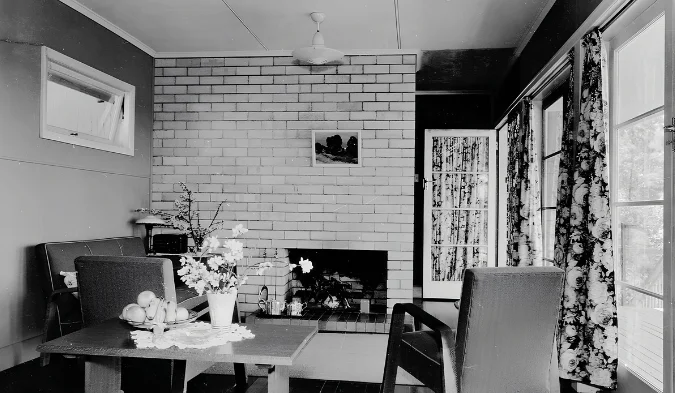
A fireplace already gives the room a natural focal point. Extending tile, wood, plaster, or color around it can strengthen that existing hierarchy. This often looks more purposeful than decorating an unrelated wall.
Keep fire safety and product requirements in mind when selecting materials. Combustible finishes may require specific clearances from the fireplace opening. Follow the appliance instructions and applicable local building requirements.
7. Create a Bedroom Wall Behind the Headboard
The surface behind the bed is a natural place for visual emphasis. Paint, wallpaper, molding, or wood can frame the bed without adding more furniture. The wall can also replace oversized artwork in smaller bedrooms.
Think about bedding before choosing the final finish. A heavily patterned wall usually works better with calmer textiles. Simpler treatments leave more freedom for colorful bedding and seasonal changes.
8. Give a Bathroom More Architectural Detail
Bathrooms can use paneling or moisture-appropriate finishes to add character. The material must suit the room’s humidity and any direct water exposure. Decorative finishes should never replace required waterproofing in wet areas.
Half-height paneling can create detail while leaving room for paint or wallpaper above it. Renovixa’s bathroom wainscoting guide covers material choices, installation, and finishing ideas. It can help you plan a more durable decorative treatment.
9. Make Windows Part of the Design
A wall with a well-positioned window does not need to be excluded. Thoughtful casing can turn the opening into part of the composition. Paint, molding, or wall color can visually connect the window to the feature.
The trim profile should suit the home’s architectural character. Simple flat casing works well in modern rooms, while layered profiles suit traditional spaces. Explore Renovixa’s window trim styles before finalizing the surrounding wall treatment.
Which Material Should You Choose?
Different materials create different levels of commitment, texture, and visual weight. Choose according to how permanent you want the change to feel. Your DIY experience should also influence the decision.
| Material | Visual effect | Commitment | Good choice for |
|---|---|---|---|
| Paint | Color and contrast | Low | Quick DIY updates |
| Removable wallpaper | Pattern and color | Low | Renters or flexible rooms |
| Traditional wallpaper | Strong pattern | Medium | Bedrooms, dining rooms, powder rooms |
| Molding | Architectural detail | Medium | Traditional and transitional interiors |
| Wood panels | Warmth and texture | Medium to high | Bedrooms, living rooms, offices |
| Tile | Durable surface and texture | High | Fireplaces, kitchens, selected bathroom areas |
| Plaster-style finish | Soft movement and depth | Medium | Living rooms and bedrooms |
Paint is usually the easiest starting point for homeowners who enjoy changing décor. Molding and wood require more planning but can feel more permanent and architectural. Wallpaper sits between those options depending on the installation method.
How to Pick the Right Color
Start with something that already belongs in the room. A rug, upholstered chair, artwork, countertop, or wood finish can provide the starting color. Repeating that hue creates a visual relationship across the space.
Light changes how every paint color appears. Check samples during morning, afternoon, and evening conditions before making your decision. Artificial lighting can also shift warm and cool undertones.
Contrast does not have to mean a much darker color. A slightly deeper shade can add definition while keeping the room calm. Texture or sheen can also create separation when you want minimal color difference.
Common Feature Wall Mistakes to Avoid
The first mistake is choosing a surface with no visual purpose. A dramatic finish cannot fix a layout that directs attention somewhere else. Let furniture and architecture determine where emphasis belongs.
The second mistake is treating the featured surface as an isolated design project. Its color, material, and scale should relate to nearby finishes. Bringing one element from the wall into another part of the room can create that connection.
The third mistake is ignoring edges and transitions. Baseboards, corners, ceilings, outlets, and window casing become more noticeable against a special finish. Clean detailing can make an affordable project appear far more considered.
Another mistake is adding too many focal points. Strong wallpaper, bold artwork, colorful furniture, and dramatic lighting can compete when used together. Decide which element should lead, then let the others support it.
How to Make a Small Room Feel Balanced
Small rooms can handle strong design choices when the layout remains clear. Choose a surface that gives the room depth rather than visually cutting it into sections. Behind a bed or desk often works better than a narrow side wall.
Pattern scale also matters in compact spaces. A clean geometric design or controlled mural can feel less busy than several unrelated decorations. Keeping the remaining surfaces quieter gives the eye somewhere to rest.
Do not assume every small room needs pale colors. Deep tones can create a cozy effect when lighting and furnishings support them. The important factor is consistency rather than brightness alone.
Frequently Asked Questions
Are accent walls still in style in 2026?
Yes, but thoughtful placement matters more than simply painting one wall a contrasting color. Texture, paneling, wallpaper, molding, and architectural features can create a more integrated result. The feature should connect with the room instead of appearing added afterward.
Which wall should be the feature wall in a bedroom?
The wall behind the headboard is usually the strongest choice. The bed already functions as the room’s main visual anchor. Framing it with color, texture, or molding reinforces that natural focal point.
Should a feature wall be darker than the other walls?
It does not have to be darker. It can differ through pattern, material, texture, or a subtle color shift. The right amount of contrast depends on the room’s light and surrounding finishes.
Can you use a feature wall in a small living room?
Yes, provided the treatment strengthens the layout rather than dividing the space. Choose a wall behind the main sofa, fireplace, or another clear focal element. Keep competing patterns and decorative features under control.
Is wallpaper better than paint?
Neither option is automatically better. Paint is easier to update, while wallpaper provides pattern and visual detail that color alone cannot create. Your budget, skill level, and desired permanence should guide the choice.
Plan the Wall Before Buying Materials
A successful feature starts with the room, not the paint aisle or wallpaper sample book. Identify the natural focal point, study the lighting, and connect the new finish to existing colors. Those decisions will make even a simple project feel more deliberate.
Measure carefully and test your idea before covering the full surface. Coordinate trim, outlets, baseboards, windows, and furniture at the planning stage. With those details settled, you can create a focal wall that feels like part of the home.