Crawl Space Encapsulation Cost
Crawl space encapsulation is one of the most effective ways to protect your home from moisture damage, mold growth, and energy inefficiency. However, before starting this project, most homeowners ask the same critical question: How much does crawl space encapsulation cost? Understanding the pricing structure, installation steps, waterproofing benefits, and long-term maintenance needs is essential for making an informed decision.
This guide breaks down everything you need to know about crawl space encapsulation cost, ensuring you have a clear picture of both the investment and the long-term value it brings to your home.
Crawl Space Encapsulation Cost Breakdown Table
| Factor / Component | Average Cost / Detail |
|---|---|
| Crawl Space Size (Small) | $3,000 – $6,000 |
| Crawl Space Size (Medium) | $6,000 – $10,000 |
| Crawl Space Size (Large) | $10,000 – $15,000+ |
| Vapor Barrier (Standard) | $0.50 – $1.00 per sq. ft. |
| Vapor Barrier (Thick/Commercial) | $1.50 – $2.00 per sq. ft. |
| Vent and Gap Sealing | $200 – $600 |
| Insulation Upgrade | $1,000 – $3,500 |
| Sump Pump Installation | $1,500 – $3,000 |
| French Drain Installation | $2,000 – $5,000 |
| Dehumidifier System | $1,200 – $2,800 |
| Mold Remediation | $500 – $6,000 |
| Pest Control Treatment | $300 – $800 |
| Moisture Barrier Tape & Seals | $50 – $200 |
| Floor Liner Installation | $1,500 – $4,000 |
| Wall Liner Installation | $1,200 – $3,500 |
| Crawl Space Door Replacement | $300 – $700 |
| Structural Repairs (if needed) | $1,000 – $5,000+ |
| Waterproof Coatings for Walls | $500 – $2,500 |
| Labor Costs (per sq. ft.) | $1.50 – $3.00 |
| DIY Preparation Savings | $200 – $500 |
| Annual Inspection & Maintenance | $150 – $400 |
| Dehumidifier Maintenance | $100 – $250 per year |
| Lifespan of Encapsulation | 15 – 25 years |
| Average Total Project Cost | $5,000 – $15,000+ |
| Potential Energy Bill Savings | 15% – 20% annually |
Understanding Crawl Space Encapsulation Cost
Crawl space encapsulation cost varies depending on the size of the space, the type of materials used, and the complexity of the installation. On average, homeowners spend between $5,000 and $15,000 for a complete encapsulation project. Small crawl spaces with minimal repairs may fall on the lower end. At the same time, larger areas requiring advanced waterproofing and insulation can reach higher costs. For a closer look at this, see Junkluggers Cost.
The key factors influencing cost include:
- Crawl space size (square footage directly affects material usage).
- Moisture or damage level (mold, standing water, or structural repairs increase pricing).
- Type of vapor barrier (thicker, more durable liners are more expensive but last longer).
- Additional systems (sump pumps, dehumidifiers, and drainage systems add to overall costs.
Pricing Breakdown: Where the Money Goes
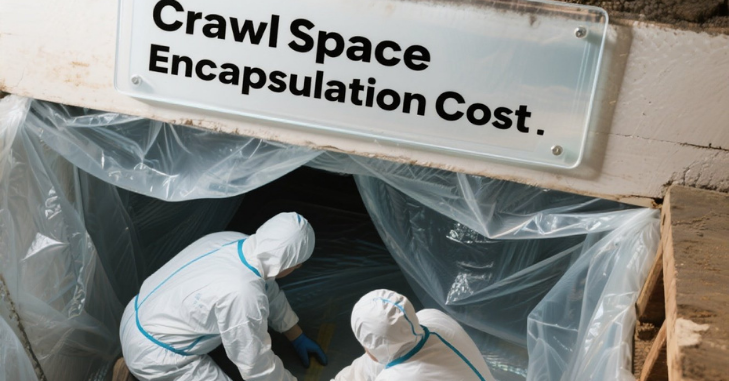
When budgeting for crawl space encapsulation, it helps to know how costs are typically divided:
- Vapor barrier installation: $0.50 – $2.00 per square foot
- Sealing vents and access points: $200 – $600
- Insulation upgrades: $1,000 – $3,500
- Sump pump installation: $1,500 – $3,000
- Dehumidifier system: $1,200 – $2,800
- Mold remediation (if needed): $500 – $6,000
This detailed breakdown gives homeowners clarity on how much to expect and allows for better planning before starting the project.
Step-by-Step Crawl Space Encapsulation Installation Process
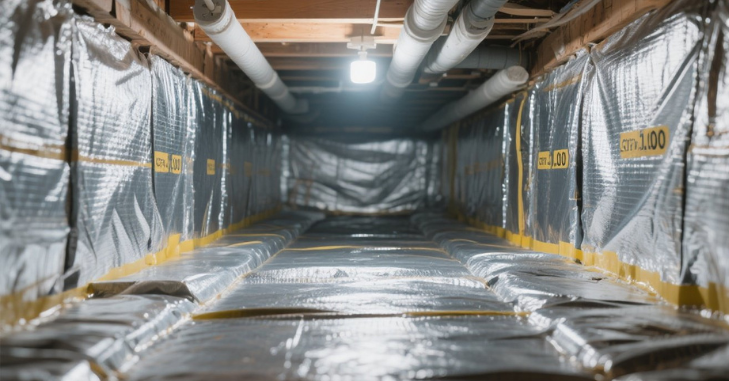
Crawl space encapsulation is not just about laying down plastic sheets; it involves a systematic process to ensure long-term effectiveness. Here’s what professionals typically do:
- Inspection and Assessment
- Experts evaluate the crawl space for moisture damage, mold growth, and structural integrity before work begins.
- Cleaning and Preparation
- Debris, dirt, and old insulation are removed. Mold treatment may also be applied.
- Sealing Vents and Gaps
- All open vents, cracks, and entry points are sealed to prevent outside moisture and pests from entering.
- Installing the Vapor Barrier
- A thick polyethylene liner is applied across the ground and up the walls, fully sealing the crawl space.
- Adding Insulation
- Foam or rigid insulation boards are installed to regulate temperature and prevent energy loss.
- Installing Waterproofing Systems
- If necessary, sump pumps or French drains are installed to manage groundwater.
- Dehumidifier Placement
- A professional-grade dehumidifier ensures consistent humidity control.
This structured process ensures that encapsulation provides lasting protection against moisture, mold, and energy inefficiency.
Waterproofing and Moisture Control Benefits
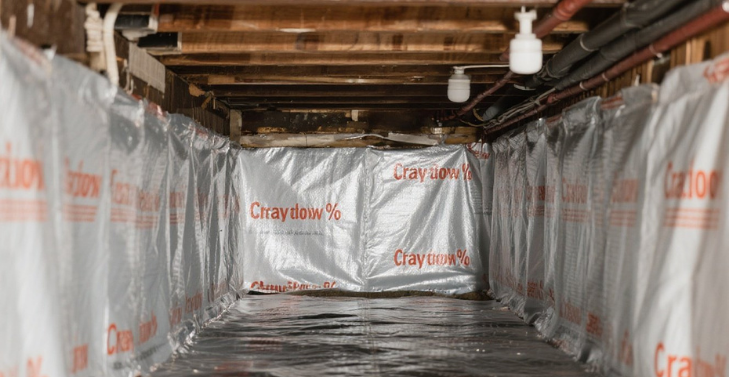
One of the most significant advantages of encapsulating your crawl space is the effective waterproofing it provides. Moisture is the root cause of many home issues, including mold growth, structural wood rot, and poor air quality. By investing in waterproofing:
- Mold growth is prevented, improving health and safety.
- Structural integrity is protected, avoiding costly repairs.
- Air quality improves, since nearly 50% of the air you breathe on the first floor comes from the crawl space.
- Pest infestations decline, as dry crawl spaces are less attractive to termites and rodents.
While waterproofing increases the upfront cost of crawl space encapsulation, it dramatically reduces future repair bills.
Long-Term Maintenance and Care Guide

Encapsulation is not a one-time fix. To ensure it lasts for decades, homeowners should follow a proper maintenance plan:
- Annual Inspections: Schedule a yearly professional inspection to check for tears in the vapor barrier, excess moisture, or insulation damage.
- Dehumidifier Servicing: Clean and maintain your dehumidifier to keep it running efficiently.
- Monitor for Pests: Even with sealing, pests may try to enter. Regular checks help prevent infestations.
- Address Drainage Issues: If water pooling occurs outside the foundation, correct grading or install additional drainage solutions.
Proper upkeep ensures the system remains effective for 15–25 years, protecting both your crawl space and overall home investment.
Factors That Can Increase or Reduce Costs

Not all homes require the same level of work. Some factors may increase your total investment, while others help reduce it.
Cost-Increasing Factors:
- Severe water damage or standing water.
- Mold remediation before encapsulation.
- Larger crawl space areas require more material.
- Adding advanced systems like French drains or sump pumps.
Cost-Reducing Factors:
- Smaller crawl space size.
- Minimal repairs needed before encapsulation.
- Choosing a standard vapor barrier instead of premium liners.
- DIY preparation (such as removing debris before professionals arrive).
Understanding these factors helps homeowners budget realistically.
Is Crawl Space Encapsulation Worth the Cost?
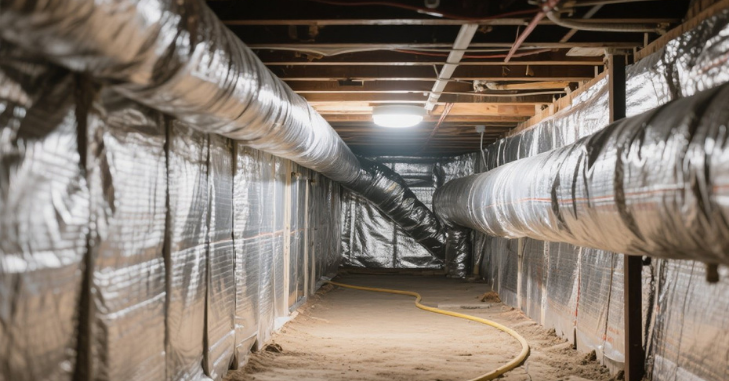
Many homeowners wonder if encapsulation is a worthwhile investment. While the upfront cost can feel significant, the long-term savings and benefits usually outweigh it. Encapsulation can:
- Lower heating and cooling costs by 15–20% annually.
- Enhance your home’s resale value by highlighting its improved structural integrity.
- Prevent mold-related medical expenses and costly repairs.
- Extend the lifespan of HVAC systems by reducing humidity strain.
When viewed as a long-term investment, crawl space encapsulation pays for itself over time.
Conclusion
Still, the long-term benefits, including improved air quality, lower energy bills, and enhanced structural protection, make it well worth the cost. By understanding the detailed pricing breakdown, the step-by-step installation process, and the importance of ongoing maintenance, homeowners can confidently plan this project for lasting results. Whether you are dealing with moisture issues, poor insulation, or mold concerns, encapsulation is a proven solution that enhances both your home’s comfort and its value.
Want to know about Foundation Fix Cost Breakdown: Complete Guide to Slab Foundation Repair, Basement Waterproofing, and Structural Stability Check out our Basements category.
Frequently Asked Questions (FAQs)
The average crawl space encapsulation cost ranges from $5,000 to $15,000, depending on the size of your crawl space, the materials used, and whether additional waterproofing systems are required.
Yes. Although the upfront cost may feel high, encapsulation helps reduce energy bills, prevents mold growth, protects structural integrity, and increases property value, making it a wise long-term investment.
With proper installation and regular maintenance, crawl space encapsulation can last 15 to 25 years. High-quality vapor barriers and professional-grade dehumidifiers extend its lifespan even further.