
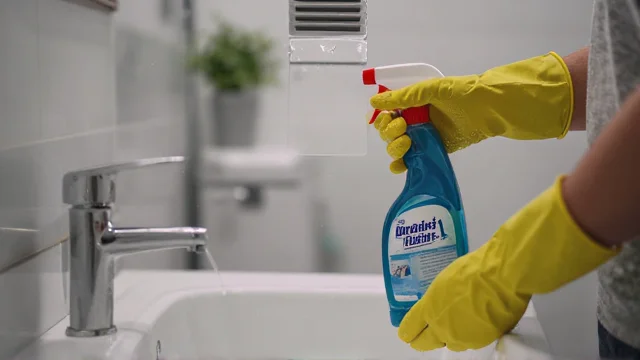
Vinegar and bleach are common household cleaners, but they should never be combined. Mixing them can release chlorine gas that irritates eyes and airways. U.S. health agencies advise keeping household cleaning products separate.
Direct answer: Never mix vinegar with chlorine bleach. The combination can release chlorine gas that can injure your eyes and respiratory system. If accidental mixing happens, leave the area for fresh air. In the United States, call Poison Help at 1-800-222-1222 for guidance, or 911 for a serious emergency.
| Key question | Practical answer |
|---|---|
| Can they be mixed? | No. The combination can release chlorine gas. |
| Main hazard | Eye and respiratory irritation, with severe breathing effects possible. |
| First action after accidental mixing | Leave the area and get fresh air. |
| U.S. help | Poison Help: 1-800-222-1222. Call 911 for a serious emergency. |
| Safer routine | Use one product for one task and follow its label. |
Key Takeaways
- Never combine chlorine bleach with vinegar or another acidic cleaner.
- Leave the area immediately if unexpected irritating fumes develop.
- Use soap and water for routine cleaning when disinfection is unnecessary.
- Follow disinfectant labels exactly when disinfection is needed.
- Keep Poison Help, 1-800-222-1222, available for U.S. exposure questions.
Why Vinegar and Bleach Create a Dangerous Reaction
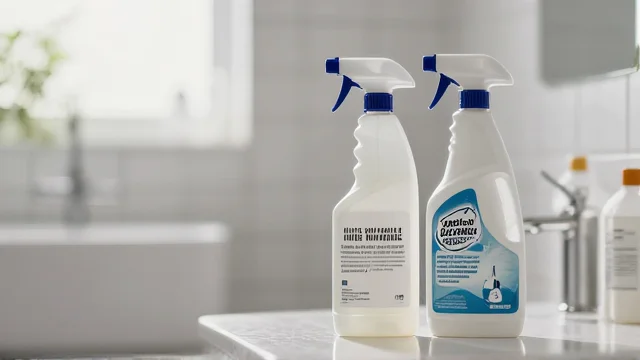
Household bleach usually contains sodium hypochlorite, while vinegar contains acetic acid. Bringing an acid into contact with chlorine bleach can release chlorine gas. Poison Control specifically warns against combining these two household products.
This reaction does not create a better household cleaner or disinfectant. Instead, it creates an inhalation hazard that can affect nearby people. The safest rule is simple: keep acidic cleaners separate from chlorine products.
What Chlorine Gas Exposure Can Do
According to CDC chlorine exposure guidance, chlorine gas harms moist tissues in the eyes, nose, throat, and lungs. Exposure effects depend on concentration, duration, and individual health factors. People with asthma or other lung conditions may be more sensitive.
Common warning signs include burning eyes, coughing, throat irritation, and chest tightness. More serious exposure can cause breathing difficulty, nausea, or vomiting. Symptoms after lower exposure may sometimes appear later.
Possible symptoms include:
- Watery or burning eyes
- Nose or throat irritation
- Persistent coughing
- Chest tightness
- Shortness of breath
- Nausea or vomiting
- Skin redness after direct exposure
Unexpected symptoms during cleaning are a reason to stop immediately. Do not remain inside because the odor seems manageable. Moving away from the source reduces further exposure.
What to Do If You Accidentally Mix Them
Do not stay in the room to finish cleaning or inspect the mixture. Move to fresh air and leave the contaminated indoor area. Your first goal is ending exposure, not cleaning the spill.
If the release came from household cleaners, CDC guidance says fresh air can help clear the space. Open doors or windows only when you can do so without lingering. Do not try adding another chemical to neutralize the mixture.
- Leave the affected room or building. Move to fresh air as quickly as possible.
- Keep other people and pets away. Do not send someone back inside to investigate.
- Ventilate only when it is safe. Avoid remaining near irritating fumes while opening windows.
- Rinse exposed eyes or skin when needed. Follow current CDC or Poison Control guidance.
- Get medical guidance. Call Poison Help or emergency services when appropriate.
Call 911 for serious breathing problems, severe chest symptoms, collapse, or another immediate emergency. U.S. Poison Help is available at 1-800-222-1222 for exposure guidance. Follow the advice given for the specific situation.
If your eyes are burning, CDC guidance recommends rinsing them with lukewarm water. Remove contact lenses if present and avoid using eye drops. Seek urgent medical guidance when vision changes or significant irritation continues.
Where Accidental Mixing Commonly Happens
Accidental mixing often happens because products are used one after another. Toilet bowls, laundry machines, sinks, and small bathrooms are common risk areas. Labels may use ingredient names instead of the familiar word bleach.
| Scenario | How mixing can happen | Safer approach |
|---|---|---|
| Toilet | Chlorine cleaner remains before an acidic descaler is added | Use one product and finish that cleaning session. |
| Laundry | Vinegar and chlorine product enter the same wash | Skip vinegar when using chlorine products. |
| Sink or counter | One cleaner is sprayed over residue from another | Use water for routine rinsing, then choose one labeled cleaner. |
| Small bathroom | Several products are used during a deep clean | Choose one cleaning chemistry and ventilate the room. |
A toilet may contain chlorine cleaner from a bowl product or tank tablet. Adding an acidic descaler can create an unsafe combination. Choose one cleaning approach and avoid switching chemicals during the same session.
Laundry presents another easy mistake because products can enter through separate dispensers. Never use chlorine products and vinegar in the same load. Check machine instructions before using any additive or stain treatment.
How to Clean Safely Without Combining Products
For many household jobs, you do not need a stronger chemical mixture. CDC says cleaning with soap and water removes most germs in many situations. Disinfection is more useful when someone in the home is sick or a sick visitor was recently there.
When disinfection is needed, follow the product label and provide good ventilation. Use only the cleaner or disinfectant directed for that task. Never combine chlorine products with another cleaner unless the label specifically permits it.
Vinegar can help with some mineral deposits and household grime. It should not replace a properly labeled disinfectant when disinfection is required. Use it only where the surface manufacturer allows acidic cleaners.
A chlorine disinfectant can treat compatible surfaces when used according to its label. It may damage fabrics, metals, finishes, or other materials when misused. More product does not mean safer or better disinfection.
Kitchen maintenance is safer when each task has one clearly chosen cleaning method. Renovixa’s garbage disposal cleaning guide covers non-chlorine maintenance options for that appliance. Keep chlorine products away from any vinegar-based routine.
Vinegar Versus Bleach: Different Jobs, Different Risks
| Feature | Vinegar | Chlorine bleach |
|---|---|---|
| Common household role | Helps remove some mineral buildup and grime | Can disinfect compatible surfaces when label directions are followed |
| Disinfection role | Not a universal replacement for labeled disinfectants | Use only products labeled for the intended disinfection task |
| Mixing rule | Keep away from chlorine products | Keep away from other cleaners and disinfectants |
| Surface concerns | Acids can damage some stone and finishes | Can discolor fabrics and affect some materials |
Treating these products as interchangeable can create cleaning problems. Treating them as ingredients for a homemade mixture creates a safety problem. Pick the product suited to the surface and intended job.
CDC also recommends reading manufacturer directions before using chlorine products. Good ventilation and suitable protective equipment may be required. These precautions apply even when only one product is being used.
Safer Cleaning Habits for U.S. Homes
Store chlorine products and acidic cleaners apart when practical. Keep each product in its original labeled container. Never transfer cleaners into drink bottles or unlabeled spray containers.
Read the active ingredients before starting a cleaning job. Sodium hypochlorite identifies many common chlorine products. Acidic toilet, rust, and mineral cleaners should stay separate from them.
Do not assume a stronger smell means a surface is cleaner. Sharp fumes can signal irritation or a dangerous reaction. Leave the area if cleaning produces unexpected burning, coughing, or breathing discomfort.
Bathroom ventilation also matters when you use strong household cleaners. Renovixa’s bathroom fan installation guide explains airflow choices for moisture-prone rooms. Good airflow supports safer routine cleaning, but ventilation never makes unsafe mixing acceptable.
Surface care should also match the material instead of using one cleaner everywhere. Renovixa’s stainless steel cutting board guide discusses routine washing and sanitizing considerations. Material-specific care reduces unnecessary chemical use.
Decorative bathroom finishes may need gentler care than tile or porcelain. Renovixa’s wainscoting bathroom guide covers cleaning and moisture maintenance for paneled walls. Always check finish instructions before using acidic or chlorine products.
Frequently Asked Questions
Can you mix vinegar and bleach?
No, you should never combine these products for household cleaning. The combination can release chlorine gas that harms the respiratory system. Use one product at a time and follow its label.
What gas forms when bleach contacts vinegar?
Chlorine gas can form when a chlorine product contacts an acid such as vinegar. The gas strongly irritates eyes, nose, throat, and lungs. Never create the reaction intentionally to test what happens.
What should you do after accidental exposure?
Leave the area and get to fresh air first. Contact Poison Help at 1-800-222-1222 for U.S. exposure guidance. Call 911 when severe breathing symptoms or another medical emergency develops.
Can you use both products in the same laundry load?
No, do not put both products into the same wash. Separate dispensers do not make the combination safe. Follow the washer manual and each product label instead.
Is vinegar a disinfectant like bleach?
No, household vinegar should not be treated as a direct substitute for labeled disinfectants. CDC notes that ordinary cleaning often only needs soap and water. Use an appropriate disinfectant when the situation truly requires one.
A Safer Next Step
Safe cleaning depends on choosing the right product, not combining powerful ingredients. Keep chlorine products separate from acids and other household cleaners. Save Poison Help information before an accident happens.
Before your next cleaning session, read every label and choose one method for each surface. Keep children and pets away from stored chemicals. A simple routine prevents the most dangerous household cleaner mistakes.

