
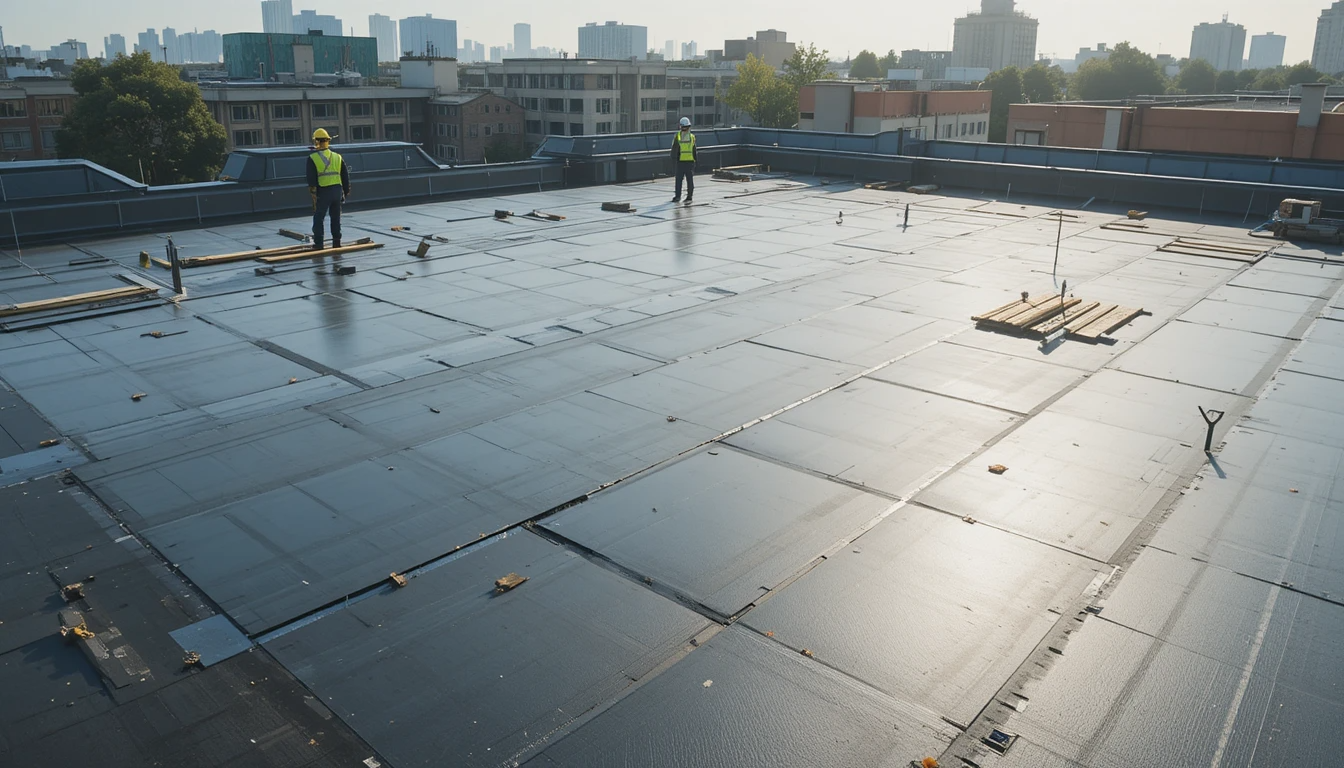
Modern construction relies on durable systems developed over decades, and rubber roofing exemplifies that progress. This roofing solution matured during the mid-20th century, with its development era often dated around the 1960s in industrial regions of North America and Europe. With more than 50 years of industry experience, its legacy includes strong weather resistance, flexible membranes, and cost efficiency. Elsewhere on the site: Best Termite Companies in the US.
Rubber roofing is manufactured from blended, heated, and cured sheets that are tested for strength, temperature tolerance, and durability. It supports homes, schools, and warehouses by improving comfort, reducing noise, and lowering maintenance effort. Its long shelf life, fast installation, and balanced long-term costs have shaped its professional adoption, making it a trusted contributor to modern building performance worldwide. Elsewhere on the site: Rain Gutters.
| Basics | Details |
| Material creation | Blended, heated, and cured sheets |
| Quality testing | Checked for strength consistency |
| Weather resistance | Designed for harsh climates |
| Building role | Protects structures from elements |
| Comfort support | Improves indoor temperature stability |
| Noise control | Reduces exterior sound transfer |
| Material strength | Resists punctures and cracking |
| Temperature tolerance | Handles heat and cold shifts |
| Installation speed | Faster application with fewer seams |
| Labor efficiency | Reduced time and workforce needs |
| Storage needs | Flat, dry, shaded placement |
| Shelf duration | Over twelve months unopened |
| Cost planning | Balanced upfront and long-term |
| Daily locations | Homes, schools, warehouses, roofs |
| Maintenance effort | Simple inspections and cleaning |
| Market adoption | Growing professional construction demand |
Manufacturing Methods and Material Formation
Roof membranes are produced through controlled blending, heating, and curing. Synthetic compounds are mixed to achieve flexibility, strength, and resistance. Sheets are molded, cooled, and tested for thickness consistency. Quality checks ensure weather tolerance and uniform structure. This manufacturing approach allows large-scale production.
Functional Role in Buildings

One practical role of rubber roofing is protecting buildings from daily environmental stress. It blocks water entry, limits heat loss, and reduces interior noise. Occupants benefit from stable indoor comfort and fewer disruptions. This roofing type supports houses, offices, and service buildings by providing dependable coverage during rain, heat, wind, and seasonal climate changes across urban and rural regions worldwide.
Performance Features and Strength
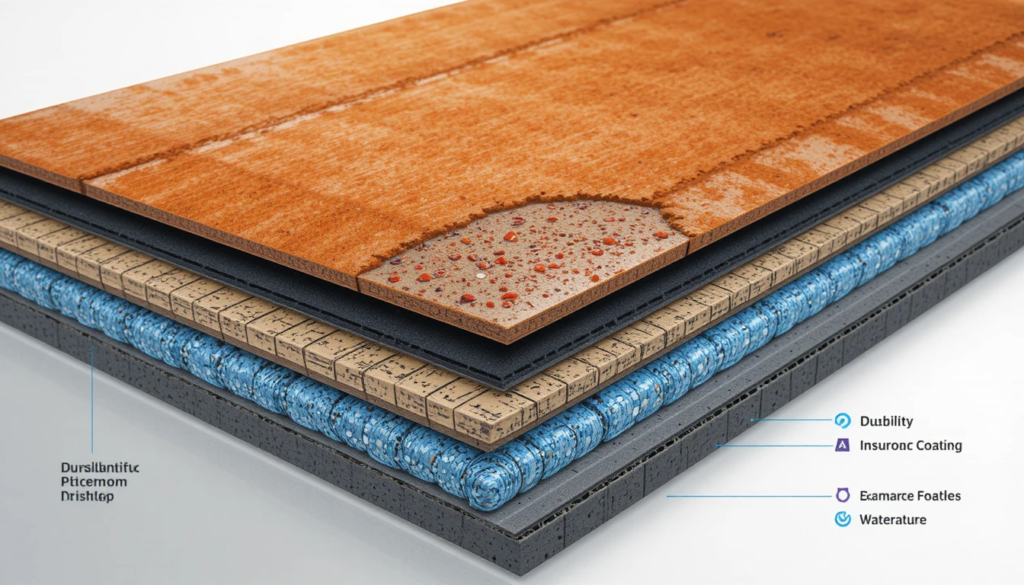
Material features include high elasticity, puncture resistance, and tolerance to extreme temperatures. The surface handles expansion and contraction without cracking. Chemical stability helps resist ultraviolet exposure and pollution. These features reduce failure risks and extend service life. Such performance qualities make the material suitable for varied climates and demanding building conditions worldwide, safely, over many decades.
Rubber Roofing: Installation Ease and Labor Efficiency
Installation is simplified with rubber roofing because large sheets reduce the number of seams. Adhesives or fasteners secure membranes efficiently. Labor time is shorter compared to layered systems. Hiring professionals still matters for sealing accuracy. Faster completion lowers overall project costs while ensuring watertight performance on flat or low-slope roofs in residential and commercial properties worldwide, consistently, reliably, and safely built.
Storage, Shelf Life, and Handling
Proper storage maintains membrane quality before use. Rolls should rest flat on pallets in shaded, dry spaces. Avoid sharp edges, moisture, and chemicals during storage. When unopened, shelf life commonly exceeds twelve months. Correct handling prevents deformation and preserves flexibility, ensuring materials remain ready for installation upon safe delivery to construction sites worldwide.
Cost Structure and Long-Term Value
Cost planning with rubber roofing involves material pricing, labor, tools, and surface preparation. Manufacturing expenses influence base price, while installation speed reduces labor charges. Over time, fewer repairs lower ownership costs. Budget comparisons often show favorable returns when lifespan and energy efficiency are considered together in long-term property investment decisions across residential and commercial sectors.
Common Places and Daily Life Use
- Typical usage includes flat roofs on homes, warehouses, schools, and retail spaces.
- These structures benefit from reliable drainage control and minimal slope requirements.
- In daily life, occupants notice reduced leaks and stable temperatures.
- Rooftops may also support equipment, solar panels, or recreational features due to their surface strength and durability, with minimal maintenance requirements and few disruptions.
Maintenance Simplicity and Reliability
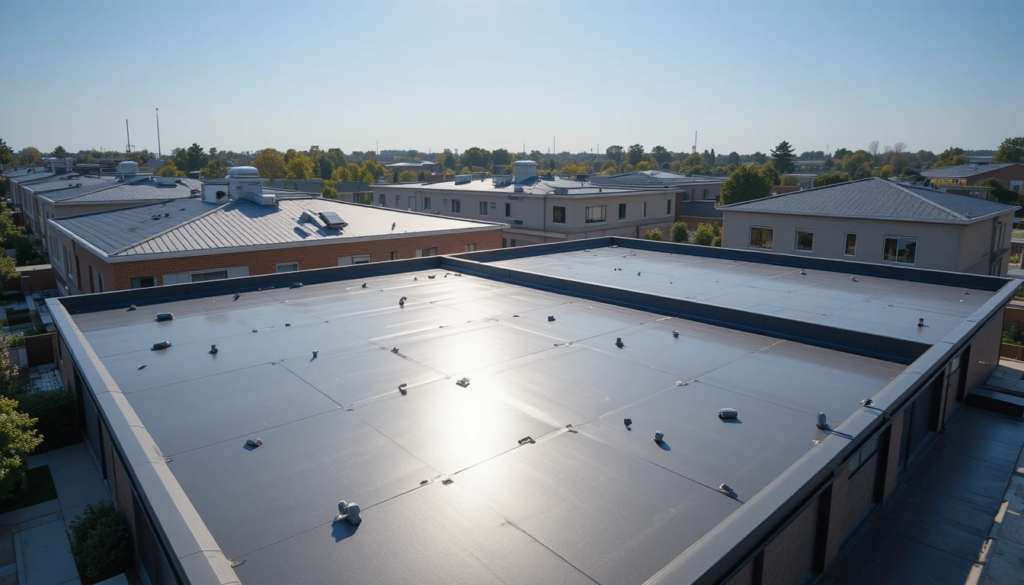
Ease of maintenance makes rubber roofing suitable for busy property owners. Routine inspections involve clearing debris and checking seams. Cleaning requires mild solutions only. Repairs are usually localized, saving time and money. This simplicity reduces stress and allows owners to focus on daily operations rather than constant roof-related concerns or unexpected failures across commercial and residential facilities worldwide, consistently managed.
Size Options and Technical Selection
Length and thickness options allow customization for different projects. Standard rolls are designed to cover large areas efficiently, reducing waste. Thicker membranes provide added puncture resistance for high-traffic roofs. Builders select specifications based on climate, building use, and structural needs to achieve balanced performance and durability throughout the roof system’s lifespan across diverse regions.
Market Demand and Professional Adoption
- Professional demand for rubber roofing continues to grow in modern construction markets.
- Contractors value predictable installation and long service life.
- Property owners appreciate reduced downtime and operating costs.
- Its role supports efficient building management while meeting regulatory and performance expectations.
- These advantages explain widespread adoption across residential, commercial, and industrial developments worldwide, consistently, reliably, and efficiently proven.

Conclusion
Rubber roofing stands as a reliable roofing solution shaped by decades of innovation and practical use. Its strong resistance to weather, simple installation, low maintenance requirements, and long service life make it suitable for many building types. With balanced costs and growing professional demand, it continues to support efficient construction while offering lasting protection, comfort, and value for residential, commercial, and industrial structures worldwide.
Want to know about Flat Roof Materials: Advanced, Long-Lasting, and High-Performance Solutions for Modern Buildings Check out our Roof Repair category.
FAQs
Its flexible membrane resists cracking, moisture penetration, and temperature stress, allowing it to perform well over extended periods even under changing weather conditions and building movement.
It handles both heat and cold effectively by expanding and contracting without damage, making it reliable in regions with substantial seasonal temperature variations.
Installation is relatively fast because large sheets reduce the number of seams. Most projects are completed more quickly than layered systems, reducing labor time and minimizing disruption to daily building use.
Maintenance needs are minimal. Occasional inspections, simple cleaning, and minor localized repairs are usually enough to keep the roof performing properly for many years.
It is often installed on flat or low-slope roofs such as homes, schools, warehouses, offices, and commercial buildings that require dependable waterproof protection and long-term cost efficiency.

