If you’re comparing the best termite companies in the US, Terminix is our top all-around pick for 2026 because its service is built specifically around termite inspection, treatment, monitoring, and repair-backed protection. Orkin is a strong alternative for homeowners who value broad geographic coverage, while Ehrlich, Arrow Exterminators, and Truly Nolen stand out in the regions they serve. The right choice still depends on your termite species, home construction, local branch, treatment plan, and warranty terms.
Quick answer: For most US homeowners, Terminix is the strongest all-around choice because it combines broad availability, free inspections, several treatment options, and repair-backed plan choices. Orkin is our alternative for wider national reach. Ehrlich, Arrow Exterminators, and Truly Nolen are strong regional options, so compare at least two written proposals before signing.
Top Termite Providers at a Glance
| Provider | Our best-fit category | Key termite strengths | Availability |
|---|---|---|---|
| Terminix | Best overall | Free inspection, baiting, drywood options, retreat and repair plans | Broad US coverage |
| Orkin | Best for national reach | Customized treatment, monitoring, 30-day satisfaction guarantee | 49 states, excluding Alaska |
| Ehrlich | Best in the Eastern US | Bait, liquid, spot treatment, fumigation, repair-backed options | Primarily Eastern states |
| Arrow Exterminators | Best regional Sentricon option | Free evaluation, Sentricon bait system, termite bonds | Southeast and selected Southwestern markets |
| Truly Nolen | Best soil-and-structure approach | Free inspection, whole-property termite plan, money-back guarantee | Strong Sun Belt presence |
Key Takeaways
Terminix earns our first recommendation because its termite-focused plans combine inspection, treatment, ongoing protection, and optional repair coverage in one system. Orkin makes sense when availability and a large service network matter most, while regional providers can be a better fit where they have deep local experience. No national ranking should replace comparing the actual inspection findings, contract, warranty, and branch reputation available at your address.
How We Chose the Best Termite Companies
This ranking is based on current 2026 service information, official company pages, treatment options, availability, guarantees, and independent comparison research. We also applied the US Environmental Protection Agency’s consumer guidance, which emphasizes state licensing, written estimates, applicator credentials, clear pesticide information, and careful review of guarantees. We did not field-test treatments or secretly shop local quotes, so the rankings focus on documented service features rather than invented hands-on experience.
We also looked for an issue national comparisons sometimes underplay: the contract can matter as much as the brand. Termite treatment may require years of inspections or monitoring, and a repair guarantee can contain property, species, renewal, or maintenance conditions. Read the local proposal closely rather than assuming every branch offers identical terms.
Our 5 Top Termite Service Picks
- Terminix
- Orkin
- Ehrlich Pest Control
- Arrow Exterminators
- Truly Nolen
1. Terminix: Best Overall for Termite-Specific Protection
Terminix is our first choice for homeowners who want a large provider with a termite-specific service structure. Its current residential offerings include termite inspections, bait-station protection, drywood termite services in relevant markets, annual inspections, and retreat guarantees. Eligible plans can also include repair of new termite damage up to $250,000 while qualifying coverage remains active.
The strongest reason to quote Terminix is the combination of treatment and long-term protection rather than one isolated application. Its published plans distinguish between retreat-only protection and options that add repair coverage, which lets homeowners compare the value of the warranty rather than focusing on treatment price alone. Availability is broad, although local plans and qualifying conditions can differ by property and market.
Pros: Terminix offers free inspections, several termite-control approaches, broad coverage, and strong published guarantee options. Consider: prices are generally inspection-based, and not every property qualifies for every repair-backed plan. Best fit: homeowners who want one national provider for inspection, active treatment, monitoring, and continuing termite protection.
2. Orkin: Best for Broad National Reach
Orkin is a strong choice when service availability and a large technician network are major priorities. Current comparison research places the company in 49 states outside Alaska, and Orkin’s termite program covers diagnosis, targeted treatment, protective measures, monitoring, and written reporting. Its termite guarantee also provides a structured satisfaction process that can lead to a refund when qualifying concerns are not resolved.
Orkin is especially worth quoting if you live where smaller regional providers have limited coverage. The company does not publish a simple national termite price because inspection findings, species, construction, and treatment needs affect the proposal. That makes comparing Orkin’s written scope against another provider more useful than comparing generic national price estimates.
Pros: Orkin has extensive geographic reach, a long operating history, structured monitoring, and a published satisfaction guarantee. Consider: termite pricing generally requires a property-specific quote, so shoppers cannot compare a simple online rate. Best fit: homeowners who prioritize availability, documentation, monitoring, and an established national service network.
3. Ehrlich Pest Control: Best for Eastern US Homeowners
Ehrlich is a compelling regional choice for homeowners in its Eastern US service territory. Its termite program can include bait stations, soil-applied liquid treatments, localized spot treatments, and whole-home fumigation where drywood infestations require it. The company also advertises free termite inspections and qualifying retreat-and-repair coverage of up to $250,000.
Ehrlich’s treatment range is useful because subterranean and drywood termites do not always call for the same solution. A technician can select among colony-focused baiting, perimeter treatments, localized applications, or fumigation according to species and infestation extent. That flexibility makes Ehrlich worth including in a comparison if the company serves your ZIP code.
Pros: homeowners get several treatment methods, free inspections, local technicians, and repair-backed plan options. Consider: Ehrlich does not have the nationwide footprint of Terminix or Orkin, and guarantee availability varies by qualifying property and area. Best fit: homeowners in the East who want a regional provider backed by a larger pest-control organization.
4. Arrow Exterminators: Best Regional Sentricon-Focused Option
Arrow Exterminators is a strong regional candidate for homeowners in the Southeast and parts of the Southwest. The company offers free whole-home evaluations and builds much of its termite program around the Sentricon bait system, which is designed for subterranean termite colony elimination and continued protection. Arrow has operated since 1964 and remains more geographically concentrated than the largest national providers.
This regional focus can be an advantage in states with heavy termite pressure because local teams regularly work with the species and construction styles common to those markets. Arrow also markets termite bonds and ongoing protection rather than positioning the service as a one-time spray. Homeowners should still confirm which warranty, Sentricon plan, and repair provisions apply at their specific address.
Pros: Arrow combines local-market experience, free evaluations, ongoing bait monitoring, and a well-established termite program. Consider: its service area is substantially smaller than Orkin’s or Terminix’s. Best fit: homeowners within Arrow’s territory who prefer a regional company with a strong Sentricon emphasis.
5. Truly Nolen: Best for a Soil-and-Structure Treatment Approach
Truly Nolen deserves a place on the shortlist for homeowners in its core US service markets, including Arizona, California, Florida, Nevada, New Mexico, and Texas. Its Total Termite Protection Plan focuses on both soil and structural areas, with potential treatment points around foundations, slabs, walls, attics, doors, and other vulnerable parts of a property. The company also advertises free termite inspections and a money-back satisfaction guarantee.
The service makes particular sense for Sun Belt homeowners who want one provider to assess several areas where termite activity may develop. Its smaller domestic footprint means it will not be an option everywhere, but a nearby branch can make it a practical alternative to the two largest brands. Ask the inspector to explain which areas will receive treatment and which future inspections are included.
Pros: Truly Nolen provides free inspections, a whole-property termite approach, and a satisfaction guarantee. Consider: its domestic footprint is concentrated in a limited group of states. Best fit: homeowners in its service region who want treatment aimed at both soil and structural termite risk.
Terminix vs. Orkin: Which Should You Choose?
For termite-specific protection, we give Terminix a slight edge because its current service menu prominently includes free inspections and both retreat-only and repair-backed protection options. Orkin becomes especially attractive when broader geographic reach, monitoring, and access to a nearby national branch matter more. Current 2026 comparisons also place both companies near the top of the US termite-control market, so getting proposals from both is a sensible starting point where they overlap.
Do not choose between the two based on the corporate name alone. Ask both inspectors to identify the termite species, affected areas, treatment method, follow-up schedule, annual renewal charges, and exact guarantee language. Local branch service quality and the written scope can create a larger practical difference than the national brand ranking.
How Much Does Professional Termite Treatment Cost?
Current 2026 Angi data places professional termite treatment at roughly $75 to $1,750, with a reported national average near $621, although extensive work can cost substantially more. Whole-house tenting for severe drywood infestations can run into the thousands, and property size, treatment method, species, and infestation severity all affect the final bill. These figures are planning benchmarks rather than quotes from the companies ranked above.
For a broader view of extermination pricing, Renovixa’s pest control cost guide can help you compare termite work with other professional pest services. Do not assume that the lowest termite proposal offers the best value because treatment scope, follow-up visits, warranty duration, and damage protection can differ. Compare itemized proposals that address the same infestation before deciding.
Match the Treatment to the Termite Problem
| Treatment approach | Common use | What to ask |
|---|---|---|
| Bait stations | Subterranean termite colonies and monitoring | How often are stations checked and serviced? |
| Liquid soil treatment | Subterranean termites around foundations | What areas will be trenched, drilled, or treated? |
| Spot treatment | Localized activity | How was the full extent of the colony ruled out? |
| Fumigation | Significant drywood termite infestations | How long must occupants leave, and what preparation is required? |
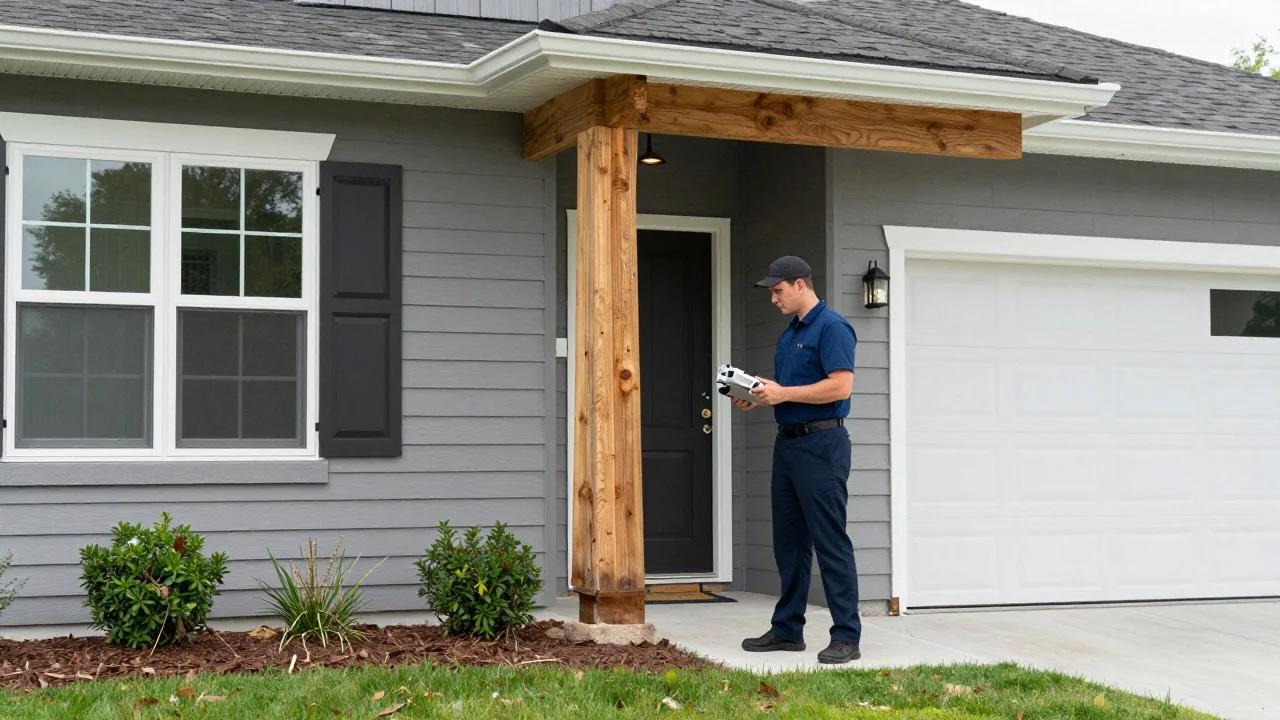
A professional inspection should come before choosing among these methods because the termite species and location of activity affect the treatment plan. The EPA notes that firms offering termite services must meet state licensing requirements and that professional applicators have the training and equipment needed to use termiticides according to their labels. Homeowners should also ask when it is safe to re-enter treated areas and request product-label information when needed.
What to Ask Before Hiring a Termite Company
Price is only one part of a termite contract, and the EPA specifically advises consumers to look at quality and value rather than choosing on price alone. Verify state licensing, ask whether the technician is properly licensed or certified, and request several estimates when practical. The EPA also recommends understanding the guarantee, annual inspection charges, and whether structural damage is covered if treatment fails.
Ask each provider to put the termite species, evidence found, proposed treatment, covered areas, monitoring schedule, renewal fees, exclusions, and warranty terms in writing. A strong proposal should explain why the recommended method fits your property instead of relying on sales pressure or a generic package. Government agencies do not endorse individual pest-control companies or specific pesticide products, so claims suggesting official government endorsement deserve extra scrutiny.
Reduce the Conditions That Help Termites Return
Professional treatment works better when the property conditions that favor termites are also addressed. Moisture, drainage problems, damp crawl spaces, and wood-to-soil contact can contribute to termite risk, so fixing the surrounding building conditions matters after treatment. Renovixa’s moisture barrier guide explains how ground moisture, drainage, vapor movement, and waterproofing require different solutions.
Homes with damp crawl spaces may also benefit from reviewing Renovixa’s crawl-space encapsulation cost guide before planning wider moisture-control work. If termite damage has exposed cracking, movement, or weakened structural areas, the concrete foundation repair guide can help you understand when a separate structural evaluation may be appropriate. Pest treatment should stop the infestation first, while repair work addresses damage or unrelated building problems.
When a Local Termite Company May Be the Better Choice
A national chain is not automatically the right answer for every property. A well-established local operator can be competitive if it has the required state licensing, clear inspection practices, strong local references, appropriate treatment options, and a written warranty. Local firms may also have deep experience with the termite species, soil conditions, and building styles common in your area.
Use the same standards for a local company that you would use for Terminix or Orkin. Get a written inspection report, compare at least two proposals, verify licensing, and examine the renewal and retreat provisions. A lower price can be attractive, but the value depends on what the contract includes after the first treatment.
Our Verdict
Terminix is our top recommendation for most US homeowners seeking termite-specific professional protection in 2026. Its free inspection, broad availability, varied treatment options, ongoing protection plans, and repair-backed choices make it a strong starting point for comparison. Orkin is the closest national alternative, while Ehrlich, Arrow Exterminators, and Truly Nolen can be excellent choices where their regional coverage fits your home.
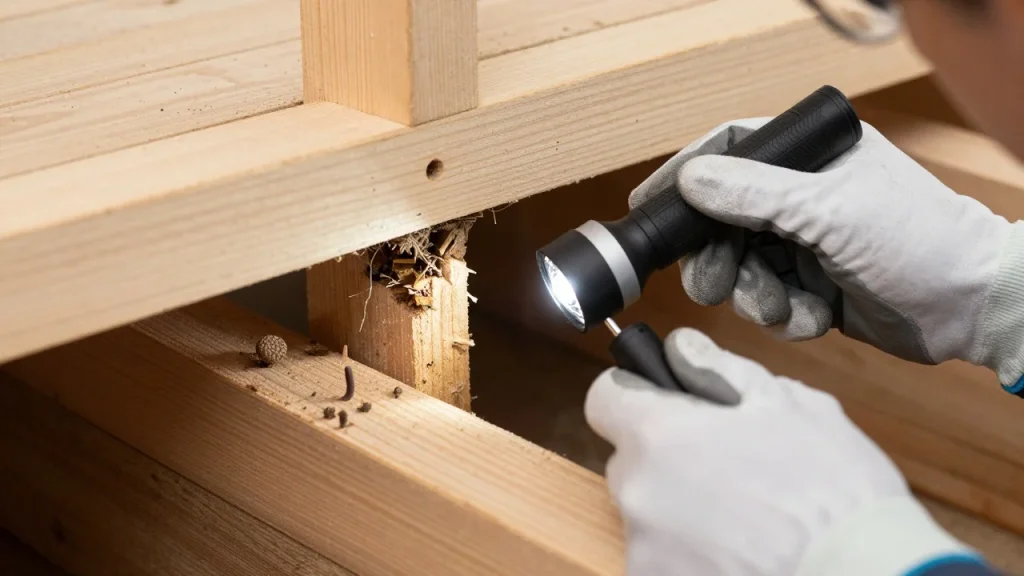
Before signing a contract, arrange two or three inspections when time allows and compare the written findings rather than the sales presentation. Focus on treatment method, monitoring, renewal cost, repair coverage, exclusions, and the credentials of the local provider. If you see active mud tubes, swarmers, damaged wood, or other signs of an infestation, schedule a professional assessment instead of relying on surface-level DIY treatment.
Frequently Asked Questions
What are the best termite companies in the US?
For 2026, our shortlist includes Terminix, Orkin, Ehrlich Pest Control, Arrow Exterminators, and Truly Nolen. Terminix is our top all-around pick for termite-focused protection, while Orkin stands out for national reach and the other three are strong regional choices. Your final decision should depend on local availability, inspection findings, treatment type, written warranty, and branch reputation.
Is Terminix or Orkin better for termites?
Terminix gets our slight edge for termite-specific service because it offers free inspections and prominently publishes retreat and repair-backed termite plans. Orkin remains a strong competitor because of its large US footprint, monitoring approach, and satisfaction guarantee. Homeowners served by both should compare the two inspection reports and contracts before deciding.
How much should termite treatment cost?
A current 2026 national estimate from Angi places many professional treatments between $75 and $1,750, with an average near $621. Extensive infestations, larger homes, fumigation, and ongoing monitoring can push the total higher. The most useful price is an itemized local quote based on a professional inspection rather than a national average.
Should I get more than one termite estimate?
Yes, obtaining several estimates is a sensible approach when the infestation does not require an immediate safety response. The EPA advises consumers to compare prospective companies and weigh quality and value rather than choosing solely on cost. Ask each provider to quote the same problem in enough detail that you can compare treatment scope and guarantees.
Does a termite warranty cover damage repairs?
Some warranties provide retreatment only, while other plans may include qualifying repair coverage for new termite damage. Coverage limits, species, renewal obligations, inspection requirements, exclusions, and property eligibility can differ between providers. Read the actual local contract because a company’s headline guarantee does not mean every home receives identical protection.
Is professional termite treatment worth it?
Professional treatment is generally the safer choice when an active structural infestation is suspected because colonies may remain hidden behind walls, inside wood, or underground. The EPA notes that termite-control professionals have the expertise and equipment needed to apply regulated termiticides according to their labels. Early diagnosis can also reduce the chance that hidden activity continues while a homeowner relies on a treatment that never reaches the colony.