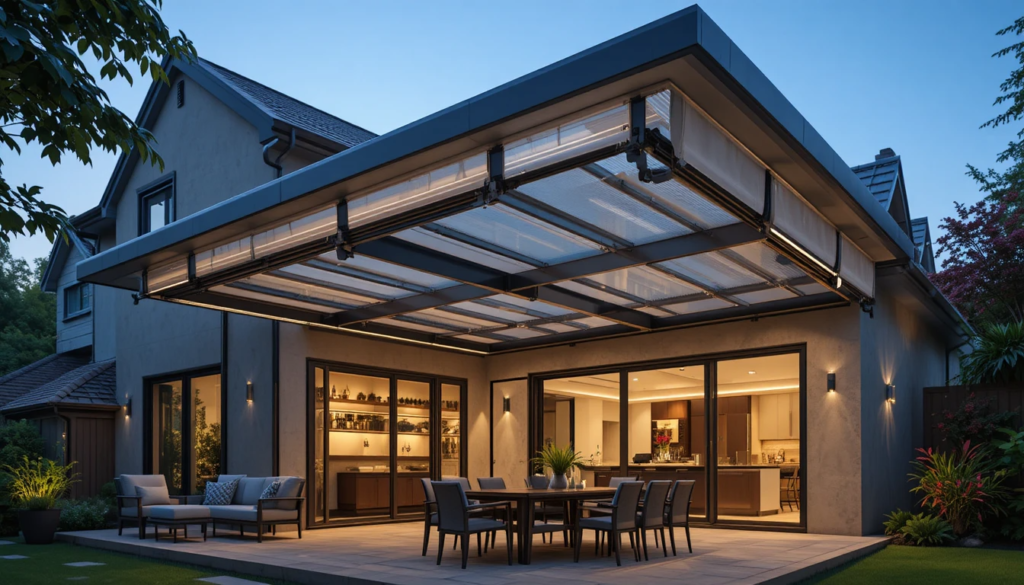
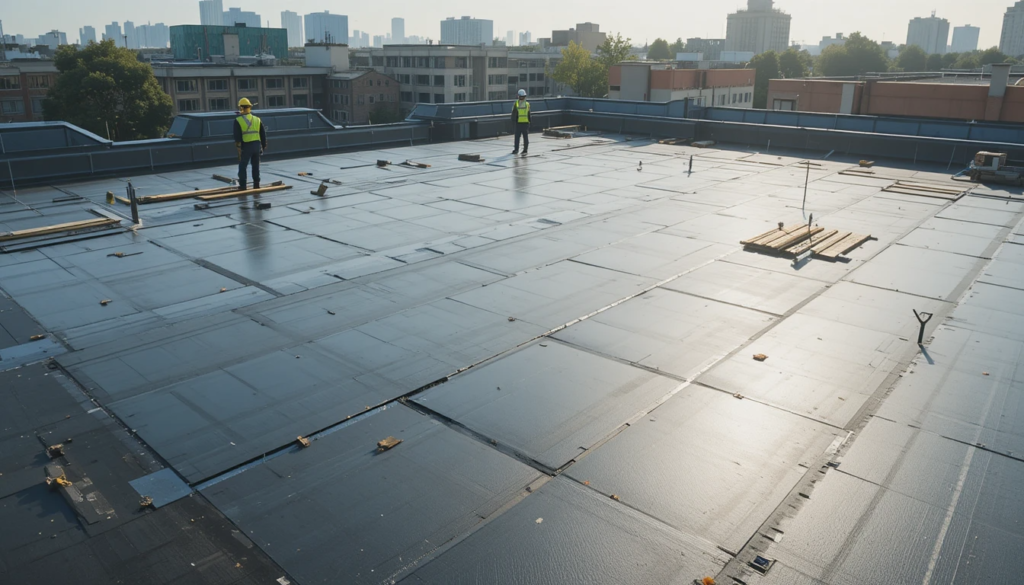
Choosing the right flat roof materials is essential for creating a durable, energy-efficient, and aesthetically pleasing roofing solution. Modern flat roofs are not only practical but also provide versatile design options for homes and commercial buildings. From traditional built-up roofing to advanced membranes like TPO and PVC, each material offers unique features, including waterproofing, insulation, and weather resistance.
Proper selection ensures long-term performance, reduces maintenance costs, and improves building comfort. Understanding the properties, installation methods, and storage requirements of different flat roof materials allows homeowners and builders to make informed decisions. This guide highlights key options, their benefits, and practical considerations for effective flat roofing solutions.
| Basics | Details |
| Flat Roof | Modern roofing option for buildings |
| BUR | Layers of asphalt felt for durability. |
| BUR Features | Waterproof, insulating, long-lasting material |
| Modified Bitumen | Asphalt polymer sheets in rolls |
| Bitumen Benefits | Flexible, UV-resistant, easy repair |
| EPDM Rubber | Synthetic rubber large sheet roofing |
| EPDM Benefits | Lightweight, UV, weather-resistant |
| TPO Roofing | Single-ply reflective membrane roofing |
| TPO Benefits | Energy-efficient, lightweight, low-maintenance |
| PVC Roofing | Polyvinyl sheets reinforced with mats |
| PVC Benefits | Fireproof, waterproof, reflective surface |
| Installation | Surface prep, alignment, and proper sealing |
| Maintenance | Regular inspections prevent damage. |
| Cost | Material, labor, and long-term maintenance |
| Energy | Reflective, insulated, reduces cooling bills |
| Storage | Flat, dry, protected from the sun |
Flat Roof Materials
Built-Up Roofing (BUR)
Built-up roofing is made by layering asphalt or tar with reinforcing felt fabrics. These layers form a thick, durable, and waterproof surface that protects against harsh weather conditions. BUR sheets are supplied in rolls, which are easy to cut and install. They also provide natural insulation, keeping buildings cooler in summer and warmer in winter, and last for decades when appropriately maintained.
Modified Bitumen
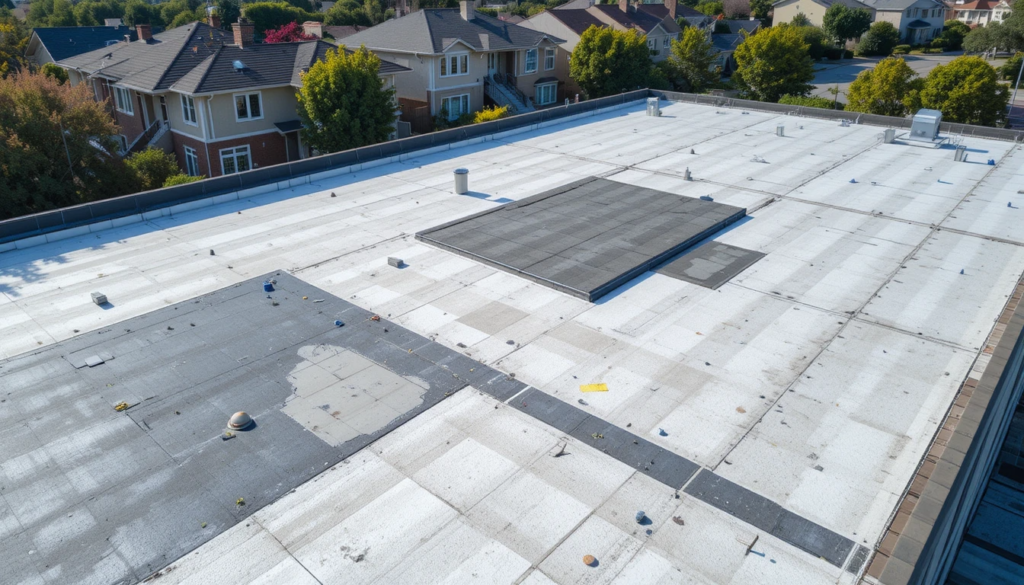
Flat roof materials like modified bitumen are composed of asphalt mixed with polymers for added flexibility and durability. They come in rolls, applied with heat or adhesives. Modified bitumen resists cracking, UV damage, and water penetration. Its installation cost ranges from $4 to $10 per square foot, making it suitable for both commercial and residential use. It is easy to repair and maintain.
EPDM Rubber Roofing
EPDM is a synthetic rubber produced from ethylene and propylene monomers. It comes in large sheets, which are lightweight and easy to handle. EPDM resists UV rays, extreme weather, and temperature changes. It can last 25–30 years with proper care. Sheets should be stored flat in a dry area to prevent damage. It is a practical choice for residential and commercial flat roofs.
TPO Roofing
Flat roof materials such as TPO are single-ply membranes made from rubber and plastic polymers. TPO is reflective, lightweight, and resistant to punctures and chemicals. Installation is fast using heat welding or mechanical attachment. TPO roofs improve energy efficiency and require minimal maintenance. They are popular for commercial and residential buildings seeking cost-effective, durable, and environmentally friendly roofing solutions.
PVC Roofing

PVC roofing is made from polyvinyl chloride reinforced with polyester or fiberglass mats. It comes in sheets of various lengths and widths, making installation flexible. PVC is fire-resistant, waterproof, and reflective, reducing cooling costs. Heat-welded seams create a leak-proof surface. Costs range from $6 to $12 per square foot. Proper storage on flat surfaces prevents rolling or curling, ensuring the material stays usable for future projects.
Installation Process
- The installation of flat roofs varies by material but requires proper surface preparation, alignment, and sealing.
- Professionals often handle BUR, TPO, and PVC installations.
- Proper installation ensures durability, leak prevention, and safety.
- Depending on the material, installation costs range from $3 to $12 per square foot.
- Following recommended procedures, such as cleaning, priming, and correctly adhering materials, ensures a long-lasting, energy-efficient roof.
Maintenance and Repairs
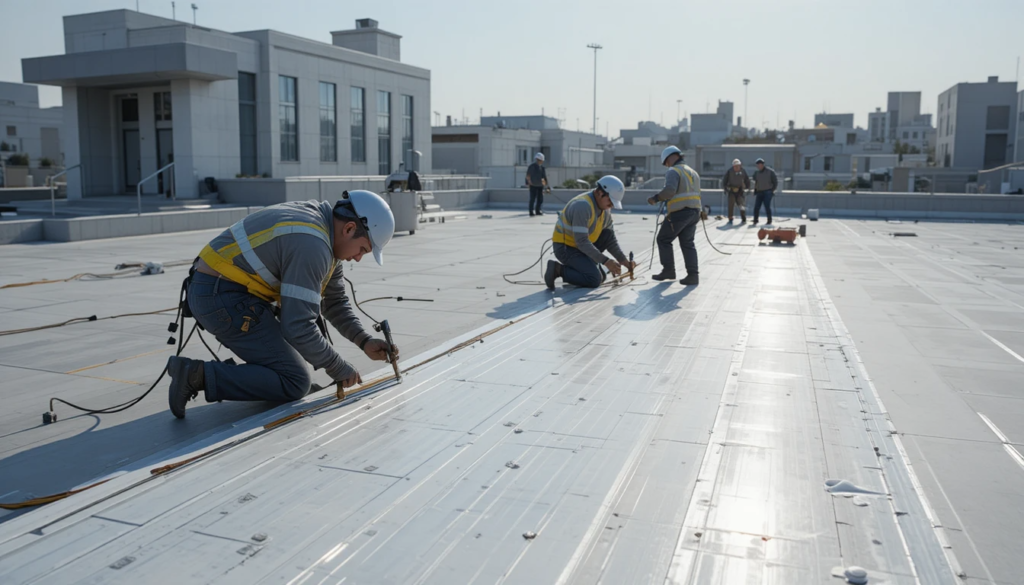
Flat roof materials need regular inspections to prevent leaks, cracks, and water pooling. Maintenance includes cleaning debris, checking seams, and promptly repairing minor damage. Materials like EPDM and TPO are easier to repair, while BUR requires more effort. Routine care can extend the lifespan of a roof by 10–15 years. Professional checks are recommended annually, especially after heavy storms or extreme weather events.
Cost Considerations
Cost is a crucial factor when choosing flat roof solutions. Material price, labor, and long-term maintenance must be considered. BUR and modified bitumen are moderately priced, while PVC and TPO may cost more upfront but save energy. SPF and green roofs have higher initial costs but offer insulation benefits. Budgeting carefully ensures a balance between affordability, durability, and performance.
Energy Efficiency

- Flat roof materials can significantly impact energy efficiency.
- Reflective membranes like TPO and PVC reduce heat absorption, lowering cooling costs.
- BUR and modified bitumen provide insulation naturally.
- Spray foam and green roofing further enhance energy savings.
- Proper insulation and ventilation combined with high-quality materials improve building comfort and reduce electricity bills, making energy efficiency an essential factor in roof planning.
Storage and Handling
Flat roofing sheets, rolls, or foam chemicals must be stored carefully before installation. Keep materials flat, dry, and away from direct sunlight. Improper storage can cause curling, cracking, or degradation. Rolls should be supported evenly, and spray foam chemicals should be sealed tightly. Handling instructions vary by material, but following them ensures materials remain in good condition and ready for efficient installation.

Conclusion
Selecting the right flat roof materials is crucial for durability, energy efficiency, and long-term savings. Each option, from BUR and modified bitumen to TPO, PVC, and EPDM, offers unique advantages depending on climate, budget, and building design.
Proper installation, maintenance, and storage further enhance performance and lifespan. By understanding these factors, homeowners and builders can make informed choices that combine functionality, safety, and aesthetics, ensuring a reliable and efficient flat roof solution for years to come.
Want to know about Patio Roof Attached to a House: Stylish, Durable, and Functional Designs to Elevate Your Outdoor Living Space Check out our Roof Repair category.
FAQs
Flat roofs are ideal for modern homes and commercial buildings, providing additional usable space for terraces, gardens, solar panels, or HVAC installations while maintaining a sleek architectural look.
The lifespan depends on the material and maintenance. BUR, EPDM, and TPO can last 20–30 years with regular inspections, cleaning, and timely repairs to prevent leaks or damage.
Reflective membranes like TPO and PVC reduce heat absorption, while insulation layers help maintain indoor temperatures, lowering cooling and heating costs over time.
Installation varies by material, roof size, and labor. Typical costs range from $3 to $12 per square foot, with professional services recommended for long-lasting results.
Regular inspection, debris removal, seam checks, and minor repairs keep the roof leak-free and durable. Annual professional assessments are advised, especially after extreme weather.