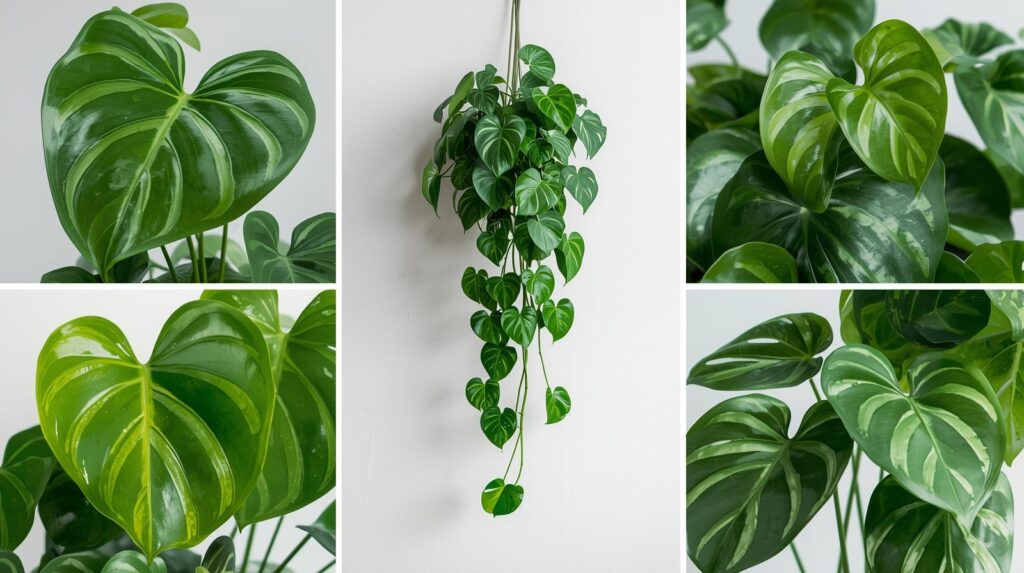
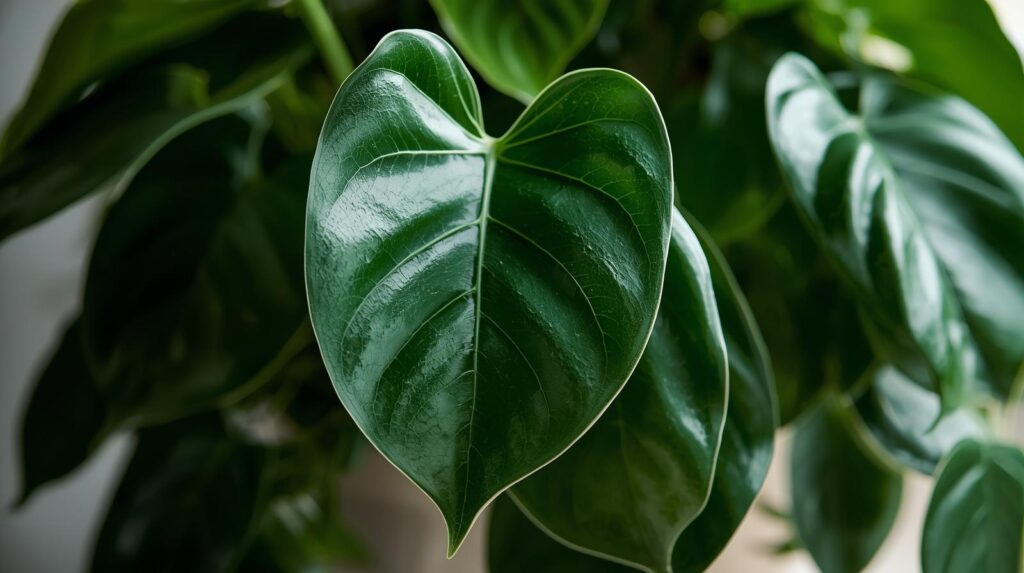
The heartleaf philodendron is one of the most beloved indoor plants, admired for its elegant trailing vines and glossy, heart-shaped leaves. Botanically known as Philodendron hederaceum, this tropical plant is valued for its adaptability, low maintenance, and timeless beauty. Whether cascading from hanging baskets, climbing a moss pole, or draping from a bookshelf, it adds a soft, natural charm to any interior space.
This comprehensive guide covers everything you need to know about growing and maintaining a heartleaf philodendron, from understanding its growth habits to mastering propagation, seasonal care, pest management, and creative indoor styling. In addition to its decorative appeal, this plant is highly forgiving, making it ideal for beginners new to indoor gardening.
Its tolerance for varying light conditions and occasional neglect further contributes to its popularity in homes and offices. With the right care, it can grow into a lush, cascading display that transforms ordinary spaces into vibrant green retreats.
| Category | Key Information | Practical Tips |
| Growth Habits | Trailing or climbing vine; heart-shaped, glossy leaves; moderate growth rate | Provide a moss pole for larger leaves; trim to maintain shape. |
| Light Requirements | Bright, indirect light preferred; tolerates low light | Avoid direct sun to prevent leaf scorch |
| Watering | Allow the top 1–2 inches of soil to dry before watering | Reduce watering in winter; prevent soggy soil |
| Soil Type | Well-draining, peat-based mix with perlite | Ensure the pot has drainage holes |
| Temperature | 65–85°F (18–29°C) | Protect from cold drafts |
| Humidity | Moderate to high humidity preferred | Mist occasionally or use a humidifier |
| Fertilization | Balanced liquid fertilizer every 4–6 weeks in the growing season | Avoid over-fertilizing to prevent salt buildup |
| Propagation | Stem cuttings with nodes; root in water or soil | Keep cuttings warm and in indirect light |
| Seasonal Care | Spring: prune & fertilize; Summer: monitor water; Fall: reduce feeding; Winter: protect from cold | Adjust care based on growth cycle. |
| Pest Management | Spider mites, mealybugs, aphids, scale insects | Inspect regularly; treat with neem oil or insecticidal soap |
| Root Health | Healthy roots are white and firm | Repot every 1–2 years |
| Indoor Styling | Hanging baskets, shelves, moss poles, and tabletop décor | Rotate the plant for even growth |
| Long-Term Health | Regular pruning, repotting, and airflow management | Maintain a consistent care routine |
Overview of Heartleaf Philodendron

Native to Central and South America, the heartleaf philodendron thrives in warm, humid environments beneath forest canopies. Its natural habitat explains its preference for indirect light and moderate moisture. Over time, this plant has become a staple in homes, offices, and apartments due to its forgiving nature and attractive foliage.
Key characteristics include:
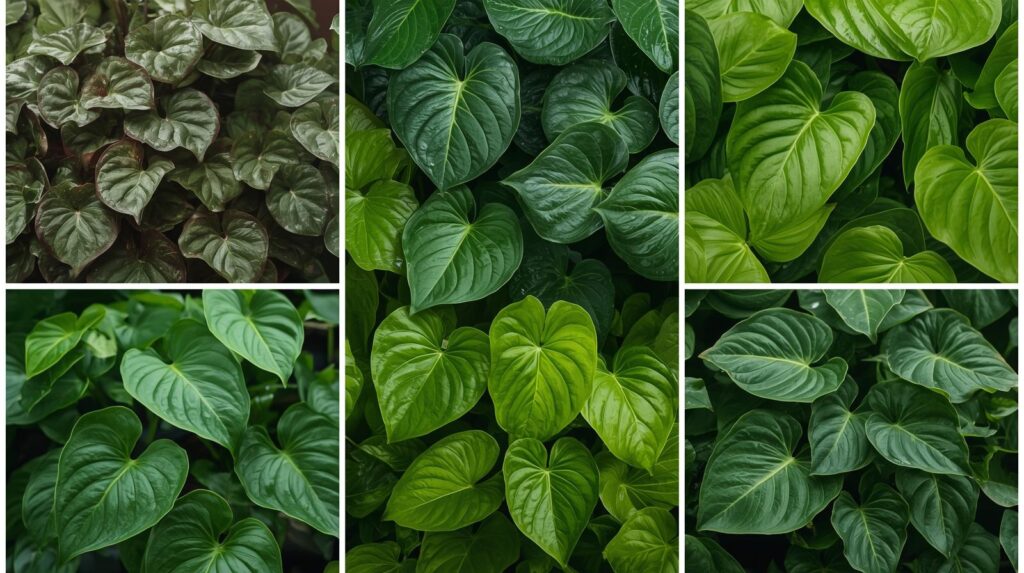
- Glossy, green, heart-shaped leaves
- Trailing or climbing growth habit
- Tolerance to low and medium light conditions
- Minimal maintenance requirements
Its adaptability makes it ideal for beginners while still appealing to experienced plant enthusiasts.
Growth Habits and Natural Characteristics
Understanding growth habits is essential for proper care and placement.
Trailing and Climbing Nature
The heartleaf philodendron naturally grows as a climbing vine in tropical forests, where it uses tree trunks and surrounding vegetation for support. Indoors, it can trail beautifully from shelves and hanging baskets, creating a soft cascading effect that enhances any room.
It can also climb vertical supports such as moss poles or trellises, which mimic its natural environment and encourage stronger growth. When properly cared for, it may form long, elegant vines reaching 6–10 feet indoors. Providing structural support not only helps manage its growth pattern but also promotes larger leaves and more vigorous, healthy development.
Leaf Development
Leaves begin small but can enlarge under optimal conditions. Proper light and nutrients enhance their deep green color and glossy texture.
Growth Rate
This plant grows moderately fast in spring and summer but slows during cooler months. Consistent care promotes fuller, healthier vines.
Ideal Growing Conditions
Creating the right environment ensures lush foliage and steady growth.
Light Requirements
- Thrives in bright, indirect light
- Tolerates low light but grows more slowly
- Avoid direct sunlight, which may scorch leaves
Temperature and Humidity
- Ideal temperature: 65–85°F (18–29°C)
- Prefers moderate to high humidity
- Avoid cold drafts and sudden temperature changes
Soil Preferences
- Well-draining, peat-based potting mix
- The addition of perlite improves aeration
- Slightly acidic to neutral pH
Watering and Fertilization
Proper Watering Habits
Proper watering habits are critical to maintaining plant health and ensuring steady growth. It is important to allow the top 1–2 inches of soil to dry out before watering again, as consistently wet soil can lead to root problems. During the fall and winter months, watering should be reduced as plant growth naturally slows.
Always avoid waterlogged soil, as excess moisture can cause root rot and other fungal issues. Signs of improper watering include yellow leaves, which often indicate overwatering, and drooping or curling leaves, which typically signal underwatering.
Fertilization
Fertilization plays an essential role in maintaining vibrant foliage and strong development. A balanced liquid fertilizer should be applied every 4–6 weeks during the active growing season, from spring to summer, to support healthy growth.
Feeding should be reduced during dormant months when the plant’s growth naturally slows. It is also important to avoid over-fertilization, as excessive nutrients can cause salt buildup in the soil, potentially damaging the roots and affecting overall plant health.
Propagation Methods
One of the most rewarding aspects of growing this plant is its ease of propagation.
Stem Cutting Method
- Select a healthy vine with at least one node.
- Cut just below the node.
- Place in water or moist soil.
- Keep in bright, indirect light.
Roots typically develop within 2–4 weeks.
Soil Propagation
Plant cuttings directly into moist soil and maintain humidity until established. Propagation allows you to multiply your heart leaf philodendron effortlessly for gifting or expanding your indoor collection.
Seasonal Maintenance Strategies
Seasonal adjustments ensure consistent growth throughout the year.
Spring
- Resume fertilization
- Prune leggy vines
- Repot if root-bound
Summer
- Monitor watering frequency
- Increase humidity if needed
- Check for pests
Fall
- Gradually reduce fertilization
- Adjust watering schedule
Winter
- Protect from cold drafts
- Maintain moderate humidity
- Limit watering
Adapting care routines to seasonal changes supports long-term vitality.
Pest Management and Disease Prevention

Common Pests
Common pests include spider mites, mealybugs, aphids, and scale insects, all of which feed on plant sap and can weaken foliage if left untreated. Regular inspection of leaves, especially the undersides, helps detect infestations early.
Prevention Tips
To prevent pest problems, inspect the plant regularly, gently wipe the foliage with a damp cloth to remove dust and insects, and apply insecticidal soap or neem oil as needed. Maintaining proper humidity and airflow also reduces the likelihood of infestations.
Fungal Concerns
Overwatering may lead to fungal issues such as root rot, which can severely damage the plant’s root system. Ensuring proper drainage and avoiding soggy soil conditions are essential for prevention. Early detection and prompt treatment of pests or fungal problems help prevent minor issues from escalating into serious plant health concerns.
Indoor Styling Ideas
The heartleaf philodendron is highly versatile in interior design.
Hanging Displays
- Perfect for macramé hangers
- Creates soft, cascading greenery
Shelf and Bookcase Styling
- Allows vines to drape naturally
- Adds movement and dimension
Climbing Feature Walls
- Train vines on trellises or moss poles
- Creates living wall effects
Tabletop and Desk Decor
- Compact pots enhance workspaces
- Improves ambiance and aesthetic balance
Its adaptable nature complements minimalist, bohemian, modern, and traditional interiors alike.
Long-Term Plant Health Solutions
Maintaining plant health over the years requires consistent attention and proactive care. Regular pruning is essential to keep the plant looking full and vibrant; trimming leggy vines helps maintain a compact shape, removing yellow or damaged leaves improves overall appearance, and strategic cutting encourages bushier, more balanced growth.
Repotting every one to two years is also important, as it prevents the plant from becoming root-bound; always choose a pot slightly larger than the current one and refresh the soil to replenish nutrients and improve drainage.
Monitoring root health is equally crucial; healthy roots should appear white and firm, while brown, mushy roots indicate rot and require immediate corrective action. Additionally, ensuring proper air circulation around the plant reduces the risk of fungal infections and pest infestations, supporting long-term vitality and sustained growth.
Quick Care Reference Table
| Care Aspect | Recommendation | Notes |
| Light | Bright, indirect | Avoid direct sun |
| Watering | Let the topsoil dry before watering | Prevent root rot |
| Temperature | 65–85°F | Avoid drafts |
| Humidity | Moderate to high | Mist occasionally |
| Fertilizer | Every 4–6 weeks (spring/summer) | Reduce in winter |
| Propagation | Stem cuttings | Root in water or soil |
| Pruning | As needed | Encourages fuller growth |
| Repotting | Every 1–2 years | Refresh soil |
| Common Pests | Spider mites, mealybugs | Treat promptly |
| Styling Uses | Hanging, climbing, shelf décor | Highly versatile |
Common Mistakes to Avoid
- Overwatering
- Placing it in direct sunlight
- Ignoring pests
- Using compacted or poorly draining soil
- Neglecting seasonal adjustments
Avoiding these mistakes ensures your plant remains vibrant and healthy.
Benefits of Growing This Classic Vine
Growing a heartleaf philodendron offers several benefits:
- Enhances indoor aesthetics
- Easy propagation
- Low maintenance requirements
- Improves indoor ambiance
- Suitable for beginners and experts
Its timeless appeal makes it a staple in plant collections worldwide.
Conclusion
The heartleaf philodendron is a versatile, resilient, and visually captivating houseplant suitable for a wide range of indoor environments. With proper light, watering, seasonal care, and occasional pruning, it can thrive for many years. Its easy propagation and adaptable styling options make it ideal for both beginners and seasoned plant lovers.
By understanding its growth habits, practicing mindful care, and implementing long-term maintenance strategies, you can enjoy a lush, trailing display that enhances your living space. Whether cascading from a hanging planter or climbing gracefully along a support, the heartleaf philodendron remains a timeless favorite in indoor gardening.
Want to know about The Complete Guide to Corn Plant: Growth Habits, Care Tips, Indoor and Outdoor Cultivation, Seasonal Maintenance Strategies, Propagation Methods, Pest Management, and Landscaping Uses Check out our Gardening category.
FAQs
This plant grows at a moderate rate, with new leaves emerging regularly under optimal light and care. Indoor growth may reach 6–10 feet over several years.
Bright, indirect light is ideal. The plant tolerates low light but grows more slowly and produces smaller leaves. Direct sunlight can scorch foliage.
Allow the top 1–2 inches of soil to dry before watering. Reduce watering in fall and winter. Overwatering can lead to root rot, while underwatering may cause leaf drooping or curling.
Use a well-draining, peat-based potting mix with added perlite for aeration. The soil should remain slightly moist but never soggy.