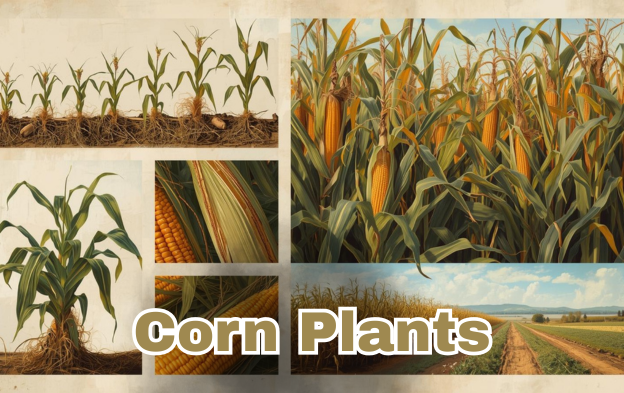
The corn plant (Dracaena fragrans) is one of the most popular houseplants and landscape plants, known for its lush, arching foliage and easy maintenance. Its striking green leaves, often variegated with yellow or cream stripes, make it an attractive addition to indoor spaces, offices, and outdoor gardens in suitable climates. This guide provides a detailed overview of the corn plant, covering growth habits, care requirements, indoor and outdoor cultivation, seasonal maintenance, propagation techniques, pest management, and landscaping applications.
Whether you are a beginner seeking a low-maintenance indoor plant or a gardener looking to enhance your outdoor landscape, understanding the corn plant’s needs ensures healthy growth and longevity. In addition, the plant’s natural air-purifying qualities help improve indoor air quality, making it a practical choice for modern homes and workplaces.
Its adaptability to varying light and humidity conditions also makes it highly resilient, reducing the effort needed for regular care. Finally, with proper attention, this plant can grow into a tall, elegant specimen, becoming a focal point that adds both visual interest and a tropical ambiance to any space.
| Aspect | Key Details | Tips / Notes |
| Scientific Name | Dracaena fragrans | Commonly called Corn Plant |
| Growth Habits | Tall, cane-like trunk with arching leaves; slow-growing; height indoors 6–10 ft, outdoors up to 15+ ft | Rotate the plant periodically for even growth. |
| Leaf Characteristics | Long, glossy, green with yellow/cream variegation | Sensitive to direct sun; avoid scorching |
| Indoor Cultivation | Bright, indirect light; well-draining potting soil; moderate watering; moderate to high humidity | Fertilize every 4–6 weeks in the growing season. |
| Outdoor Cultivation | Partial shade; loamy, well-draining soil; regular watering; spacing 3–5 ft apart | Apply mulch to retain moisture. |
| Seasonal Maintenance | Spring: fertilize & prune; Summer: monitor watering & sun exposure; Fall: reduce watering; Winter: protect from cold drafts | Seasonal adjustments prevent stress and disease. |
| Propagation | Stem cuttings or cane sections; keep warm and humid | Rooting can take several weeks to months |
| Pest Management | Spider mites, mealybugs, scale insects, and fungal issues | Inspect regularly; use insecticidal soap, neem oil, or horticultural oil |
| Landscaping Uses | Specimen plant, borders, container gardens, indoor décor | Pairs well with palms, ferns, or tropical foliage plants |
| Common Mistakes | Overwatering, low light, ignoring pests, and poor drainage | Avoid these to maintain lush foliage |
Overview of Corn Plant

The corn plant is native to tropical Africa and belongs to the Dracaena genus. It thrives in warm, humid environments and can grow into a tall, tree-like plant with proper care. Although it is slow-growing, it can reach 6–10 feet indoors and even taller outdoors in tropical or subtropical climates.
Corn is versatile, tolerant of low light, and adaptable to indoor environments, making it a favorite for homes, offices, and public spaces. They also offer air-purifying benefits, helping remove toxins such as formaldehyde and benzene from indoor air.
Growth Habits
These plants exhibit distinct growth habits:
- Height: Indoors, the plant typically grows 6–10 feet; outdoors, it can reach 15 feet or more in tropical climates.
- Leaf Structure: Long, glossy, arching leaves grow from a central stalk, resembling corn leaves, hence the common name.
- Growth Rate: Slow-growing; requires patience when cultivating indoors.
- Trunk Formation: Older plants develop a cane-like trunk, giving a tree-like appearance.
- Light Requirements: Tolerant of low light but thrives in bright, indirect light. Direct sunlight may scorch leaves.
Understanding these growth characteristics helps you select the right location and care routine for your plant.
Indoor Cultivation
Indoor plant cultivation is popular because plants are adaptable. Key considerations include:
- Lighting: Place in bright, indirect light. Variegated varieties require more light to maintain their coloration.
- Pot Selection: Use well-draining pots to prevent root rot. A slightly larger pot accommodates growth but avoids excess soil that retains water.
- Watering: Keep the soil moderately moist. Allow the top inch to dry between waterings to avoid overwatering.
- Humidity: Corn prefers moderate to high humidity; occasional misting helps maintain foliage health.
- Fertilization: Apply a balanced, water-soluble fertilizer every 4–6 weeks during the growing season (spring and summer).
Indoor placement tips: Avoid cold drafts, radiators, and air-conditioning vents, as these can stress the plant. Rotate the plant occasionally for even growth.
Outdoor Cultivation
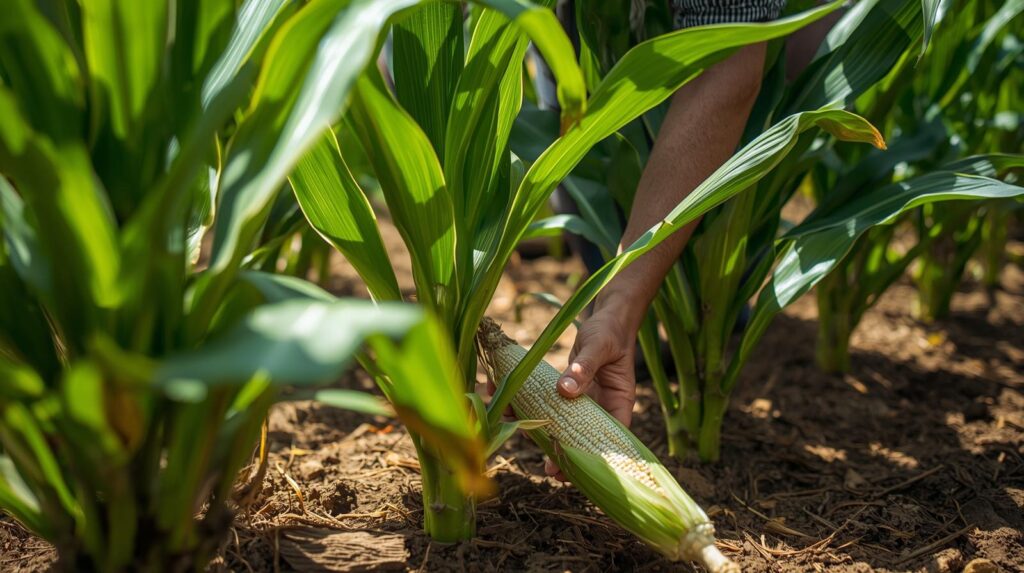
In tropical and subtropical regions, corn plants can thrive outdoors:
- Planting Location: Choose a shaded or partially shaded area. Direct sun can burn leaves, while too much shade may slow growth.
- Soil Requirements: Well-draining, loamy soil enriched with organic matter ensures optimal growth.
- Watering: Regular watering is essential, especially during dry periods. Avoid waterlogging.
- Spacing: Space plants at least 3–5 feet apart to allow airflow and prevent disease.
- Mulching: Apply organic mulch to retain soil moisture and regulate temperature.
Corn plants make excellent outdoor specimens for tropical gardens, patios, and as border plants.
Seasonal Maintenance Strategies
Maintaining the corn plant year-round is essential to ensure its health, vitality, and optimal growth. In spring, it is important to fertilize the plant, prune any yellow or dead leaves, and inspect for pests to encourage new growth. During summer, maintain consistent watering while monitoring foliage for leaf burn or sun scorch from intense sunlight. In fall, reduce watering slightly, check soil drainage, and prepare potted plants for cooler temperatures by adjusting their location or conditions.
During winter, especially in colder climates, bring potted plants indoors, maintain moderate humidity, and avoid exposing them to cold drafts, as these can damage the leaves. Following these seasonal care adjustments helps prevent stress, disease, and poor growth, ensuring that the plant remains lush and vibrant throughout the year.
Propagation Methods
Corn plants can be propagated easily using stem cuttings or cane sections:
- Stem Cuttings: Cut a 6–8-inch healthy stem, remove the lower leaves, and place in water or moist soil until roots form.
- Cane Cuttings: Divide the trunk into sections; plant upright in soil and water properly.
- Patience: Rooting can take several weeks to months; ensure warm, humid conditions for success.
Propagation allows you to create new plants for indoor decoration or outdoor landscaping.
Pest Management
While corn plants are relatively pest-resistant, they can occasionally be affected by common pests and diseases. Regular monitoring and proper care help prevent infestations and ensure the plant remains healthy and vibrant.
Spider Mites
Spider mites are tiny pests that cause leaves to yellow or stipple. They thrive in dry conditions and can spread quickly if not controlled. Treat infestations with insecticidal soap or neem oil, and increase humidity around the plant to discourage their growth.
Mealybugs
Mealybugs appear as white, cotton-like clusters on leaves and stems. They feed on plant sap, weakening the corn plant over time. Remove them manually with a cotton swab dipped in alcohol or use a suitable insecticide for larger infestations.
Scale Insects
Scale insects appear as small, brown or black bumps on leaves and stems. These pests can stunt growth and reduce the plant’s vitality. Treat scale infestations with horticultural oil or insecticidal soap, and regularly wipe leaves to remove residues.
Fungal Issues
Overwatering or poor drainage can lead to fungal problems such as root rot or leaf spot. Ensure proper soil drainage, avoid waterlogged soil, and prune affected leaves promptly to prevent the spread of disease.
Landscaping Uses
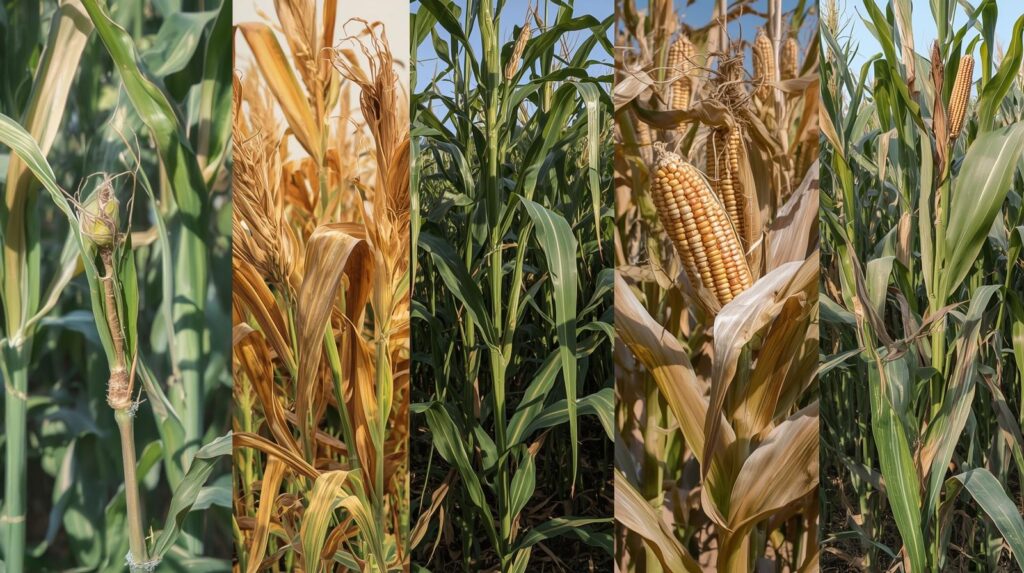
Corn plants are versatile in landscaping:
- Specimen Plant: Tall, striking plants make excellent focal points in gardens or patios.
- Borders and Screens: Use multiple plants to create natural privacy screens.
- Indoor Design: Ideal for offices, living rooms, and entryways due to their upright growth and glossy foliage.
- Container Gardens: Perfect for decks, patios, and terraces. Pair with other tropical plants, such as palms or ferns, for a lush effect.
Corn Plant Care Overview
| Aspect | Recommendation | Notes |
| Light | Bright, indirect | Avoid direct sunlight for variegated varieties |
| Watering | Moderate; let the top inch of soil dry | Overwatering causes root rot |
| Soil | Well-draining, loamy | Add compost or organic matter for best growth |
| Temperature | 60–85°F (15–29°C) | Protect from frost and cold drafts |
| Humidity | Moderate to high | Mist leaves occasionally indoors |
| Fertilizer | Balanced, water-soluble every 4–6 weeks in the growing season | Reduce in fall and winter |
| Propagation | Stem cuttings or cane sections | Keep warm and humid for rooting |
| Pests | Spider mites, mealybugs, scale | Inspect regularly and treat promptly |
| Maintenance | Prune yellow leaves, and rotate the plant for even growth | Seasonal adjustments improve health |
| Landscaping Uses | Specimen plant, borders, container garden, indoor decoration | Works well with other tropical plants |
Common Mistakes to Avoid

- Overwatering, leading to root rot
- Placing it in direct sun or cold drafts
- Ignoring pest infestations
- Using poor-drainage soil
- Skipping seasonal pruning and fertilization
Avoiding these mistakes ensures long-term health and vitality.
Conclusion
The corn plant is a versatile, low-maintenance, and visually striking plant suitable for both indoor and outdoor environments. Its long, arching leaves and tall, tree-like structure make it a standout addition to living rooms, offices, patios, and tropical gardens. Understanding its growth habits, care requirements, seasonal maintenance, propagation techniques, and pest management is essential for ensuring robust health and longevity.
This plant thrives in bright, indirect light and benefits from well-draining soil, moderate watering, and occasional fertilization, making it ideal for beginners and experienced gardeners alike. Whether used as a centerpiece indoors, part of a tropical outdoor landscape, or in container gardens, the plant enhances aesthetic appeal while contributing to air purification and overall greenery.
Additionally, its resilience to low light and adaptability to various indoor conditions make it a practical choice for urban spaces or areas with limited sunlight. With proper care, your plant can thrive for many years, providing vibrant foliage, natural beauty, and a calming, tropical ambiance to any space. Regular pruning, occasional repotting, and attentive pest monitoring help ensure the plant remains lush, healthy, and visually captivating throughout its life.
Want to know about The Complete Guide to Lawn Aerator: Benefits, Types, Usage Techniques, Maintenance Tips, Seasonal Lawn Care Strategies, and Soil Improvement Practices Check out our Gardening category.
FAQs
Common pests include spider mites, mealybugs, and scale insects. Overwatering can also lead to fungal issues, such as root rot or leaf spots. Regularly inspecting and treating with insecticidal soap, neem oil, or horticultural oil helps prevent infestations.
Use a balanced, water-soluble fertilizer every 4–6 weeks during the growing season (spring and summer). Fertilization can be reduced or paused during fall and winter when growth slows.
Yes, plants are known for their air-purifying qualities, removing toxins such as formaldehyde, benzene, and trichloroethylene, making them ideal for offices and homes.
Yellowing leaves can indicate overwatering, low light, or nutrient deficiency. Inspect the soil moisture, ensure proper drainage, and provide adequate light and fertilization.