Palm trees are among the most iconic plants in tropical and subtropical landscapes, instantly adding elegance, structure, and exotic beauty to gardens and public spaces. From towering native species to rare exotic varieties, palms come in a wide array of shapes, sizes, and growth habits. Understanding the different types of palm trees, their ideal growing conditions, and proper care is essential for ensuring healthy growth and maximizing aesthetic appeal.
This guide explores native and exotic species, seasonal care, soil and sunlight requirements, and landscaping uses. Whether you are planting a single specimen or creating a tropical oasis, this resource offers everything you need to know. Their versatility allows them to complement both formal and informal garden designs, while their long lifespan provides enduring beauty.
Many palms also serve functional purposes, such as providing shade, acting as windbreaks, or even producing edible fruits. By selecting the right species for your climate and landscape, you can create a striking, sustainable, and low-maintenance garden centerpiece.
| Aspect | Details | Tips / Notes |
| Palm Type | Native or Exotic | Native palms are better adapted to local climates; exotic palms add unique aesthetics but may require extra care. |
| Growth Habit | Single-trunk, multi-stemmed, clustering | Choose based on available space and desired visual impact |
| Height | Dwarf (<10 ft) to Giant (>100 ft) | Select a variety according to garden size and landscape design |
| Leaf Type | Pinnate (feather-like) or Palmate (fan-shaped) | Influences the texture and overall look of the palm |
| Soil Requirements | Well-draining sandy or loamy soils | Amend clay soils with compost or sand for proper drainage |
| Sunlight | Full sun to partial shade | Full sun encourages robust growth and flowering |
| Watering Needs | Moderate, consistent for young palms; established palms may tolerate drought | Mulch helps retain soil moisture and protect roots. |
| Fertilization | Slow-release balanced fertilizer; micronutrients like magnesium and potassium | Avoid excess nitrogen to prevent weak fronds. |
| Seasonal Care | Spring: fertilize & prune; Summer: maintain moisture; Fall: reduce irrigation & protect young palms; Winter: frost protection if needed | Seasonal adjustments prevent stress and disease. |
| Propagation | Seeds, suckers, or offsets | Seeds require warmth and moisture; some palms take years to mature |
| Pests & Diseases | Spider mites, scale insects, mealybugs, and fungal infections | Monitor regularly and ensure proper spacing for airflow |
| Landscaping Uses | Specimen trees, borders, hedges, container gardens, tropical designs | Pair with complementary plants like hibiscus or bromeliads for visual appeal |
Overview of Palm Trees

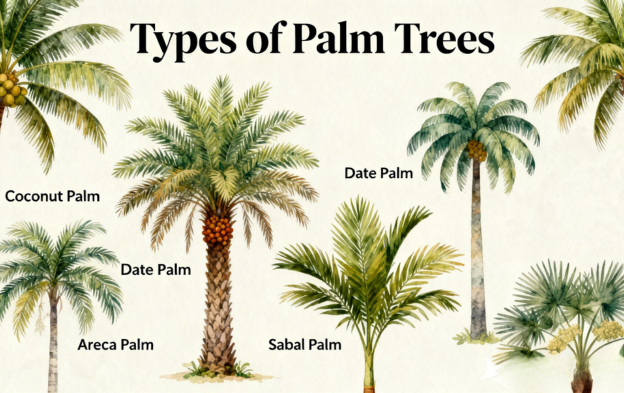
Palm trees belong to the family Arecaceae, encompassing more than 2,500 species worldwide. They are generally recognized by their tall, slender trunks and fan-like or feather-like fronds. While often associated with tropical beaches and resorts, palms can thrive in a variety of climates, provided their specific environmental needs are met.
Gardeners and landscapers favor palms not only for their visual impact but also for their ecological benefits. Many species attract pollinators, provide shelter for birds, and can help prevent soil erosion.
Types of Palm Trees: Native Palm Tree Varieties

Native palm species are adapted to local climates and typically require less maintenance once established. Some popular examples include:
- Sabal Palmetto (Cabbage Palm): A slow-growing tree native to the southeastern United States, known for its fan-shaped leaves and tolerance to coastal conditions.
- Washingtonia Robusta (Mexican Fan Palm): Tall, slender palms commonly used in southern U.S. landscapes.
- Phoenix Canariensis (Canary Island Date Palm): Native to the Canary Islands, valued for its ornamental presence and wide crown.
Native varieties are often more resilient to local pests and diseases and can withstand regional temperature fluctuations, making them an excellent choice for homeowners seeking low-maintenance landscaping.
Exotic Palm Species
Exotic palms bring unique shapes, textures, and colors to gardens. While they often require more specific care, they can be the centerpiece of a tropical design. Popular exotic palms include:
- Ravenea Rivularis (Majesty Palm): Known for its graceful fronds and moderate growth rate, it is often grown indoors in temperate regions.
- Chamaedorea Elegans (Parlor Palm): A small, indoor-friendly palm native to Mexico, perfect for containers.
- Howea Forsteriana (Kentia Palm): Slow-growing, elegant palm ideal for shaded gardens and indoor spaces.
Exotic palms may need protection from extreme cold and careful attention to soil and moisture conditions, but they offer extraordinary visual impact.
Growth Habits and Size Variations

Palm trees exhibit a wide range of growth habits, from towering, single-trunk specimens to multi-stemmed clusters that create a fuller, bushier appearance. Their key growth characteristics include height: some species reach over 100 feet, while dwarf varieties remain under 10 feet, making them suitable for smaller gardens or container planting.
Trunk types also vary, ranging from slender and columnar to thick or fibrous, which affects both their structural presence and maintenance needs. Leaf forms differ as well: fronds are either pinnate, resembling feathers, or Palmate, shaped like a fan, contributing to the tree’s overall texture and aesthetic appeal. Understanding these traits is essential for selecting palm trees that align with your garden space, design preferences, and the specific environmental conditions of your landscape.
Ideal Growing Conditions
For healthy growth, palms require specific environmental conditions:
Light Requirements
Most palms thrive in full sun, but some, especially indoor or understory species, prefer partial shade. Selecting a species suited to your garden’s light conditions ensures proper development.
Soil Preferences
Palms generally prefer well-draining soils. Sandy or loamy soils are ideal, while heavy clay should be amended with compost or sand to prevent waterlogging.
Watering Needs
While many species are drought-tolerant once established, young palms require consistent moisture. Mulching around the base helps retain soil moisture and protect roots from extreme temperatures.
Temperature and Climate
- Native palms are adapted to local climates and are generally more tolerant of heat and cold.
- Exotic palms may require protection from frost and extreme temperatures.
- In colder regions, container planting allows plants to be relocated indoors during winter.
Fertilization and Nutrient Management

To encourage vigorous growth and lush foliage, palms benefit from regular feeding:
- Use a slow-release, balanced palm fertilizer in spring and summer.
- Micronutrients such as magnesium and potassium are essential for frond health and disease resistance.
- Avoid excessive nitrogen, which can produce weak, overly soft foliage susceptible to pests.
Seasonal Care Tips
Palm care varies by season to ensure both longevity and visual appeal year-round. In spring, it is important to fertilize the palms, prune any dead or damaged fronds, and inspect the plants for signs of pests or disease. During summer, maintaining consistent watering is crucial, while also monitoring for leaf burn or sunscorch from intense sunlight.
In the fall, irrigation can be reduced slightly, and young or exotic palms should be protected from early frosts to prevent damage. During winter, particularly in colder climates, measures such as frost blankets, mulching, or relocating sensitive palms indoors can help safeguard them. Following proper seasonal management practices helps reduce stress, prevent disease, and promote healthy growth in palm trees year-round.
Landscaping Uses of Palm Trees
Palms are versatile in garden design:
- Specimen Trees: Serve as focal points in gardens and entryways.
- Borders and Hedges: Tall palms create natural screens and define spaces.
- Container Gardens: Dwarf or medium-sized palms thrive in pots on patios or terraces.
- Tropical Gardens: Combine with flowering plants, ferns, and ornamental grasses for a lush appearance.
Pairing palms with complementary plants, such as hibiscus, bird-of-paradise, or bromeliads, enhances the tropical aesthetic.
Popular Types of Palm Trees and Their Characteristics
| Palm Type | Growth Habit | Ideal Light | Soil Type | Typical Height | Special Notes |
| Sabal Palmetto | Single-trunk, fan-shaped fronds | Full sun | Sandy, well-draining | 40–65 ft | Very cold- and salt-tolerant |
| Washingtonia Robusta | Tall, slender, fan-shaped | Full sun | Loamy, sandy | 80–100 ft | Fast-growing; ideal for large landscapes |
| Chamaedorea Elegans | Multi-stemmed, pinnate | Partial shade | Well-draining potting mix | 3–6 ft | Excellent indoor palm |
| Howea Forsteriana | Slender, elegant pinnate fronds | Indirect sun | Well-draining loam | 40–50 ft | Slow-growing, perfect for shaded areas |
| Ravenea Rivularis | Arching pinnate fronds | Full sun to partial shade | Moist, sandy soil | 20–40 ft | Needs regular watering and humidity |
| Phoenix Canariensis | Wide crown, robust trunk | Full sun | Loamy, sandy | 60–70 ft | Popular ornamental palm for coastal areas |
Common Pests and Diseases

Palms may face various pests and diseases:
- Spider mites, scale insects, and mealybugs are common pests.
- Fungal infections, such as bud rot or leaf spot, can occur in humid or poorly drained areas.
- Regular inspection, proper spacing, and maintaining airflow reduce pest and disease risks.
Propagation of Palm Trees
Most palms are propagated primarily by seeds, although certain species can also be propagated through suckers or offsets. When using seeds, it is essential to sow them in well-draining soil and maintain warmth and moisture until germination occurs.
It’s important to note that some palm varieties may take years to reach maturity, so patience is a necessary virtue when growing them from seed. Successfully nurturing these plants requires attention to environmental conditions and an understanding of their growth timelines.
Benefits of Planting Palm Trees
- Provide shade and shelter in gardens.
- Enhance landscape aesthetics with vertical structure and unique foliage.
- Attract birds and pollinators to support biodiversity.
- Increase property value and curb appeal.
Conclusion
Understanding the wide variety of palm tree types, from hardy native species to exotic tropical varieties, is key to successful landscaping and garden design. By considering their growth habits, light and soil requirements, seasonal care, and pest management, gardeners can select palms that thrive in their environment.
Palms not only add elegance and structure to outdoor spaces but also provide ecological and functional benefits. With thoughtful planning, proper care, and patience, these iconic trees can transform gardens into lush, tropical paradises that flourish year after year.
Want to know about The Complete Guide to Pincushion Flower: Growth Habits, Care Tips, Blooming Seasons, Soil Requirements, and Stunning Garden Uses Check out our Gardening category.
FAQs
The main types include native palms, which are adapted to local climates, and exotic palms,
Consider growth habit, height, leaf type, sunlight exposure, soil conditions, and climate tolerance. Native palms are generally easier to maintain, while exotic palms may require extra care.
Yes, many dwarf or young palms can thrive in pots, making them suitable for patios, decks, and indoor spaces. Container palms need well-draining soil and consistent watering.
Young palms require consistent moisture, while established palms are more drought-tolerant. Avoid waterlogging, which can lead to root rot. Mulching helps retain soil moisture.