
Sewer line repair can quickly escalate into costly, disruptive problems if not addressed promptly. From slow drains to recurring backups and foul odors, damaged sewer lines affect both the functionality and safety of your home. Choosing the correct repair method is critical to achieving long-lasting results, minimizing property damage, and controlling costs.
Homeowners today have two primary options: traditional digging, which involves open excavation, and trenchless technology, a modern, minimally invasive approach. Understanding the differences, benefits, and drawbacks of each method helps property owners make informed decisions and protect their plumbing systems for years to come.
Sewer Line Repair Methods: Key Factors Comparison Table
| Factor | Details |
|---|---|
| Repair Methods | Traditional digging and trenchless technology |
| Excavation Level | High for traditional, minimal for trenchless |
| Surface Damage | Extensive with digging, minimal with trenchless |
| Repair Time | Longer with excavation, faster with trenchless |
| Cost Structure | Digging adds restoration costs |
| Upfront Cost | Trenchless may cost more initially |
| Long-Term Value | Trenchless offers better longevity |
| Pipe Access | Full access with traditional repair |
| Modern Technology | Trenchless uses advanced equipment |
| Suitable Damage | Severe damage suits traditional methods |
| Minor Cracks | Best handled by trenchless lining |
| Pipe Replacement | Easier with traditional digging |
| Pipe Lining | Exclusive to trenchless repair |
| Urban Areas | Trenchless preferred |
| Older Homes | Often requires traditional repair |
| Landscaping Impact | Major with digging, minimal with trenchless |
| Project Complexity | Higher with excavation |
| Repair Precision | Trenchless targets specific areas |
| Inspection Method | Camera inspection is used in both |
| Durability | Trenchless liners last 50+ years |
| Soil Disturbance | High with traditional digging |
| Environmental Impact | Lower with trenchless methods |
| Emergency Repairs | Digging is used for collapsed pipes |
| Maintenance Needs | Lower after trenchless repair |
| Best Use Case | Depends on damage severity and location |
Understanding Sewer Line Damage
Sewer lines are crucial for maintaining a home or commercial property’s plumbing system. Over time, these underground pipes can develop a range of issues, including cracks, blockages, corrosion, and root intrusion.
Ignoring minor problems can lead to serious consequences, including sewage backups, property damage, and health hazards. Identifying the correct repair method is essential to prevent costly emergencies and extend the life of your sewer system.
The choice between traditional digging and trenchless sewer repair depends on multiple factors, including the pipe condition, location, cost, and long-term maintenance considerations.
Traditional Digging Sewer Line Repair

What is Traditional Digging?
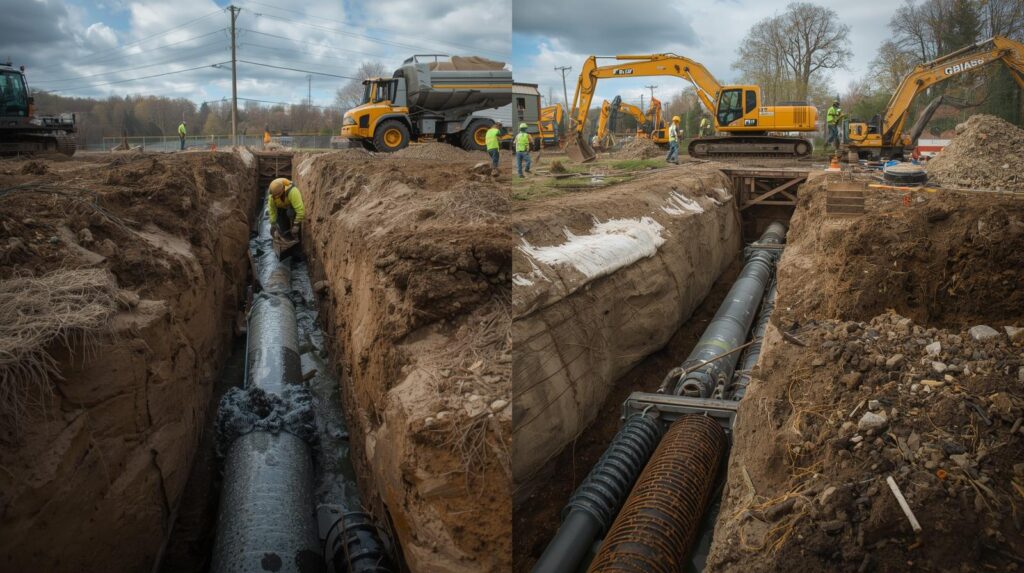
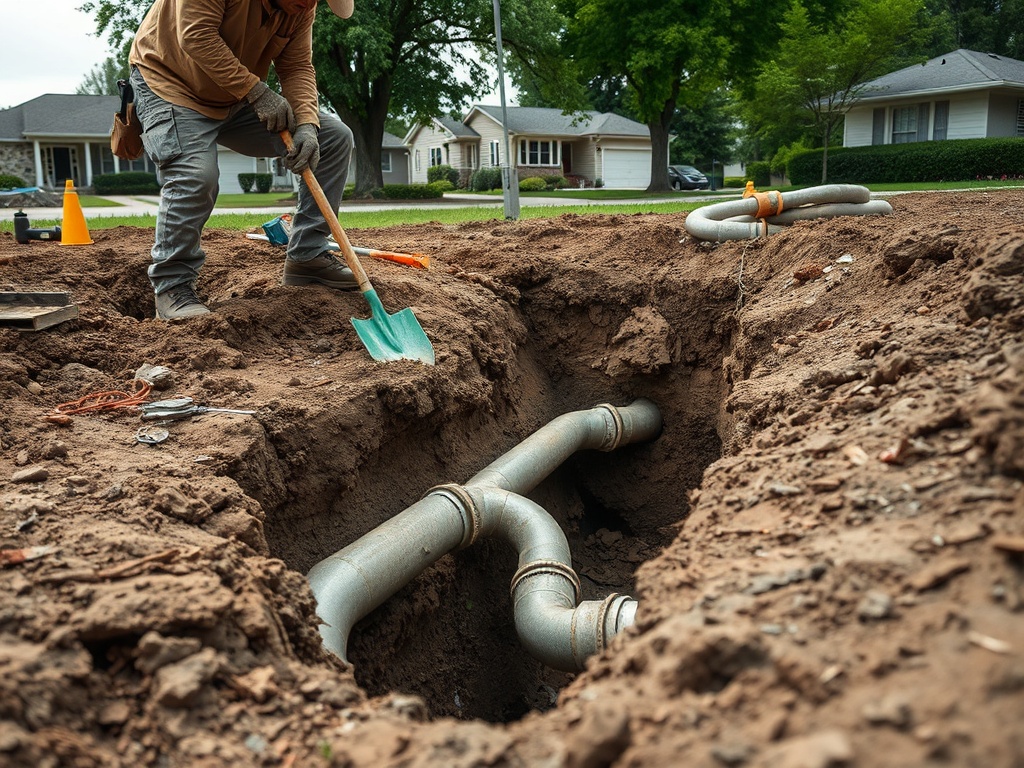
Traditional digging, also known as open-cut repair, involves excavating the ground above the damaged sewer line to access and fix the pipe directly. This method has been used for decades and is considered reliable, especially for complex or heavily damaged lines.
How Traditional Digging Works?
- Excavation – A section of the yard, driveway, or street is dug up to expose the damaged pipe.
- Pipe Removal or Repair – Depending on the extent of damage, plumbers either replace the affected section or patch it with durable materials.
- Pipe Testing – Once repaired, the pipe is tested to ensure proper flow and leak-free operation.
- Backfilling and Restoration – The excavated area is filled with soil, and any damaged landscaping, pavement, or flooring is restored.
Pros of Traditional Digging

- Works for pipes with severe damage or collapse
- Provides full visual access for inspection and repair
- Can handle multiple damaged sections simultaneously
Cons of Traditional Digging
- Highly disruptive to landscaping, driveways, and roads
- Labor-intensive and time-consuming
- Often more expensive due to restoration costs
Real-World Use Cases
Traditional digging is ideal for:
- Sewer lines under older properties with deteriorated pipes
- Situations where trenchless methods are not feasible, such as intense lines or complex layouts
- Repairs requiring extensive pipe replacement or heavy pipe damage
Trenchless Sewer Line Repair: What is Trenchless Technology?
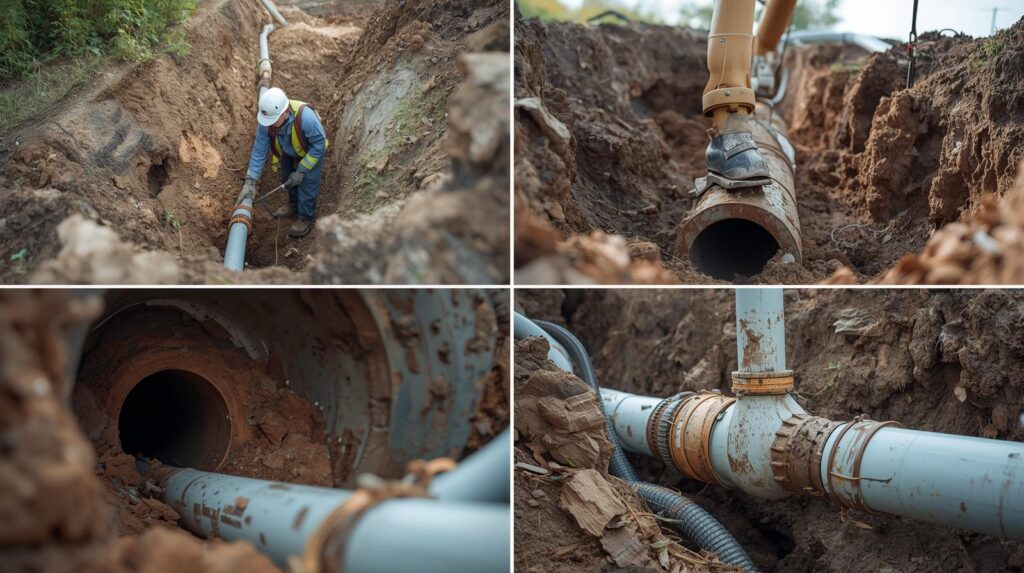
Trenchless sewer repair is a modern, minimally invasive technique that allows plumbers to fix or replace pipes without extensive digging. This approach has grown in popularity due to its efficiency, reduced property disruption, and faster project completion.
Common Trenchless Methods
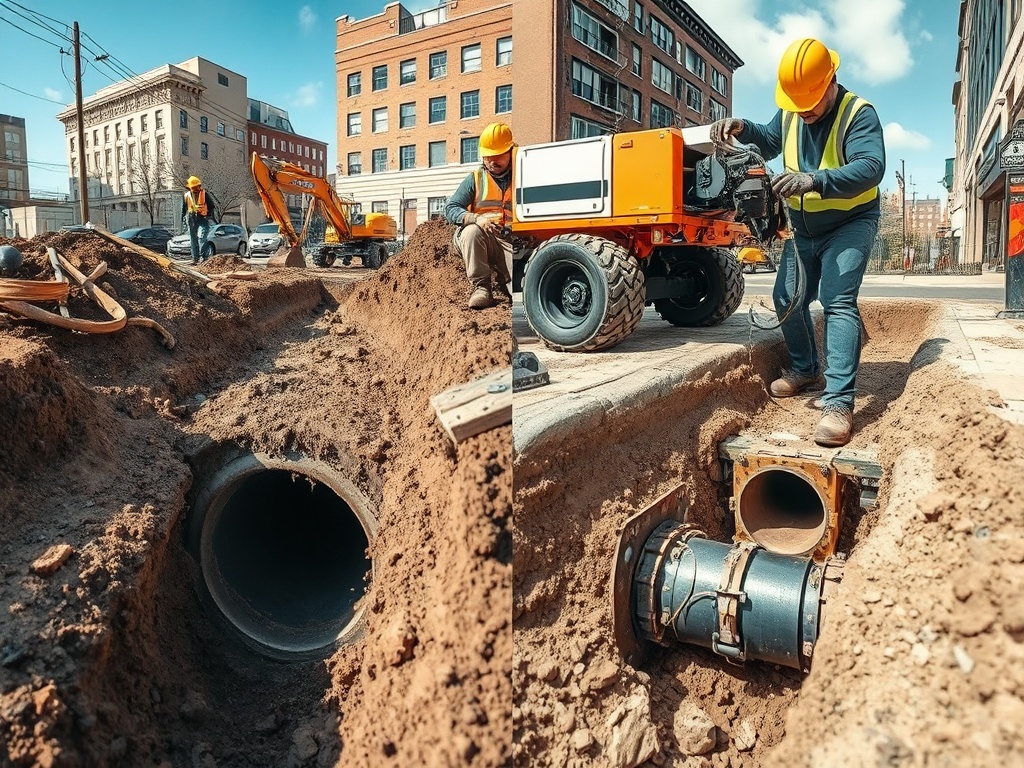
Pipe Lining (Cured-in-Place Pipe, CIPP)
- A flexible resin-coated liner is inserted into the existing damaged pipe.
- The liner hardens, creating a new pipe within the old pipe.
- Ideal for cracks, leaks, and corrosion.
Pipe Bursting
- A bursting head is inserted into the damaged pipe.
- The old pipe is being broken apart, and a new pipe is being pulled in its place.
- Suitable for complete pipe replacement without major excavation.
Spot Repair
- Focuses on localized damage rather than the entire pipe.
- Involves inserting a small liner or patch at the specific problem area.
Pros of Trenchless Technology
- Minimal excavation, preserving landscaping, driveways, and pavement.
- Faster project completion, often in a single day.
- Reduces labor costs compared to traditional methods.
- Long-lasting results, with modern liners lasting 50 years or more.
Cons of Trenchless Technology
- Higher upfront material costs.
- Limited by pipe diameter, bends, and existing damage severity.
- May require specialized equipment and expertise.
Real-World Use Cases
Trenchless sewer repair is ideal for:
- Residential properties with limited yard space.
- Urban areas where digging streets or sidewalks is impractical.
- Pipes suffering from minor to moderate damage, leaks, or corrosion.
- Homeowners looking for quick, non-disruptive repairs.
Comparing Traditional Digging and Trenchless Repair
| Feature | Traditional Digging | Trenchless Technology |
| Excavation Required | Extensive | Minimal |
| Cost | Higher due to restoration | Higher upfront materials cost |
| Project Duration | Longer | Faster |
| Pipe Access | Full visual inspection | Limited to inspection cameras |
| Property Disruption | High | Low |
| Suitable Damage Level | Severe / collapsed pipes | Minor to moderate damage |
| Lifespan of Repair | 20–50 years (depends on materials) | 50+ years (modern liners) |
Signs You Need Sewer Line Repair
Early detection can save thousands of dollars. Common warning signs include:
- Frequent backups in sinks, toilets, or showers.
- Slow drainage across multiple fixtures.
- Unpleasant odors near drains or in the yard.
- Sagging or wet spots in the lawn.
- Unexplained water damage in basements or crawl spaces.
Identifying these symptoms early allows homeowners to decide between traditional or trenchless repair, based on the severity and location of the damage.
Choosing the Right Sewer Line Repair Method

When deciding between traditional digging and trenchless technology, consider:
- Pipe Damage Severity – Collapsed or heavily corroded pipes may require traditional methods.
- Property Layout – Limited space or urban areas favor trenchless repair.
- Budget and Cost – Factor in both repair and restoration expenses.
- Long-Term Durability – Trenchless liners often last longer with minimal maintenance.
- Accessibility – Deep or complex pipe systems might require open excavation for complete repair.
Consulting a licensed plumbing professional ensures the repair method suits both your immediate needs and your property’s long-term health.
Maintenance Tips After Sewer Line Repair
- Regular Inspections – Schedule camera inspections every few years to detect potential issues early.
- Avoid Flushing Hazardous Materials – Grease, wipes, and chemicals can damage sewer lines.
- Monitor Tree Roots – Roots can infiltrate older pipes; consider root barriers or pipe liners.
- Prompt Repairs – Address small leaks or cracks before they escalate into major problems.
- Professional Cleaning – Periodic hydro-jetting can prevent clogs and extend pipe life.
Following these steps extends the lifespan of repaired sewer lines, whether repaired using trenchless technology or traditional excavation.
Conclusion
Selecting the proper sewer line repair method depends on factors such as the extent of damage, property layout, budget, and long-term durability needs. Traditional digging offers full access and is ideal for severely damaged pipes, while trenchless technology provides faster, less disruptive solutions for minor to moderate issues.
By recognizing the warning signs of sewer line damage, consulting with experienced plumbing professionals, and following proper maintenance practices, homeowners can prevent costly emergencies, extend the life of their sewer systems, and ensure safe, efficient wastewater management throughout their property.
Want to know about Everything You Need to Know About Gutter Installation: Best Materials, Common Mistakes to Avoid, and Expert Installation Advice Check out our Bathroom category.
Frequently Asked Questions (FAQs)
The most common sewer line repair methods include traditional digging, trenchless pipe lining (CIPP), and pipe bursting. Traditional digging involves excavation, while trenchless methods repair or replace pipes with minimal surface disruption.
Trenchless sewer line repair is often more cost-effective over the long term because it reduces labor, landscaping, and restoration costs. Traditional digging may appear cheaper upfront, but it can become costly due to property repairs.
Yes, trenchless repairs are highly durable. Modern pipelines can last 50 years or more and often outperform traditional maintenance when properly installed and maintained.
Traditional digging is recommended when sewer pipes collapse, are severely misaligned, or are completely broken. It is also preferred when pipes are extremely deep or inaccessible for trenchless equipment.

