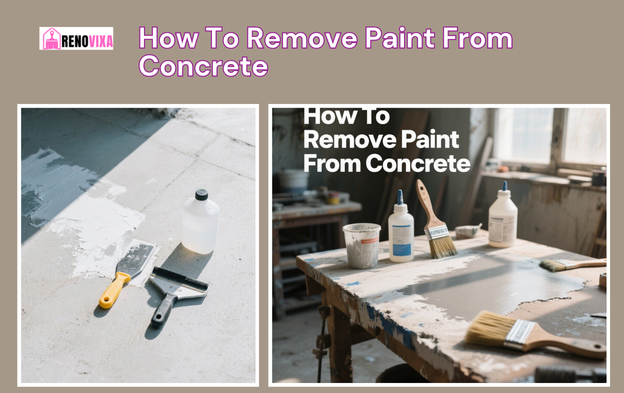
The best way to remove paint from concrete depends on the paint and how long it has been there. Fresh latex spills come up with warm water and dish soap if you act quickly. Dried latex or oil paint needs a concrete-safe paint stripper, scraping and a rinse with a pressure washer of about 3,000 PSI using a 25 or 15 degree nozzle or a surface cleaner. Thick coatings such as epoxy or many layers of floor paint usually need a rented concrete grinder.
Whatever the method, test a small area first, protect your skin, eyes and lungs, and collect the residue rather than washing it into storm drains. Below you will find a quick method chooser, how to identify the paint, step-by-step instructions for each of the four methods, advice for garage floors, driveways and patios, and what to do once the concrete is bare.
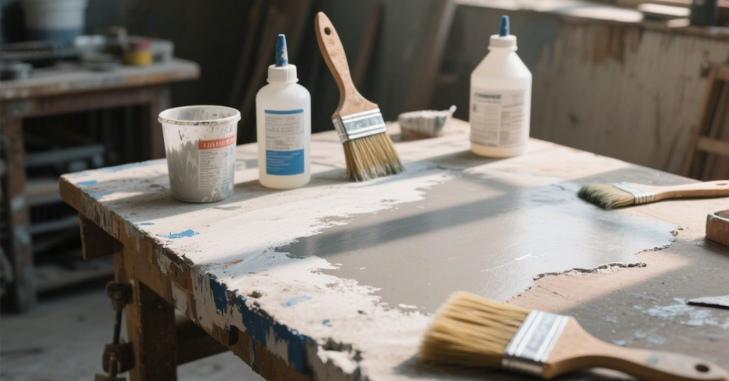
Which Paint Removal Method Do You Need?
| Situation | Best method | Difficulty |
|---|---|---|
| Fresh latex drip or spill | Blot, then scrub with warm water and dish soap | Easy |
| Dried latex paint spots | Stripper or citrus/soy gel, scrub, rinse | Moderate |
| Oil-based paint | Solvent-based or benzyl alcohol stripper, scrape, rinse | Moderate |
| Old floor paint over a large area | Stripper plus pressure washer, or grinding | Moderate to hard |
| Epoxy or polyurethane coating | Diamond grinding or shot blasting | Hard, often a pro job |
| Spray paint graffiti | Graffiti remover or stripper, then pressure wash | Moderate |
Why Paint Is Hard to Remove From Concrete
Concrete is porous. Liquid paint soaks into the surface pores and bonds mechanically as it dries, so the deeper it has penetrated, the harder it is to lift. Rough broom-finished driveways hold paint in their grooves, while smooth troweled garage floors release it more easily. Paint that has been walked on, baked in the sun or recoated several times also becomes harder to remove.
That is why a method that works on a fresh drip will not touch old floor paint, and why the realistic goal on very old spills is sometimes a faint shadow rather than perfectly clean concrete. Knowing that up front helps you pick the right method instead of escalating through every product on the shelf.
Identify the Paint Before You Start
- Latex (water-based): softens with warm soapy water or rubbing alcohol. Most household wall paint spills are latex.
- Oil-based (alkyd): does not soften with alcohol; responds to mineral spirits when fresh and to stronger strippers once cured.
- Epoxy or two-part floor coatings: hard, glossy and chemically resistant. Usually removed mechanically.
- Spray paint: thin but often oil- or lacquer-based, so it needs a graffiti remover or solvent stripper.
- Old paint in older homes: if the coating could predate 1978, test for lead with an EPA-recognized kit before sanding, grinding or blasting, and follow the EPA’s lead-safe guidance if it tests positive.
A quick test: rub a hidden spot with a rag dampened with rubbing alcohol. If color transfers to the rag, you are almost certainly dealing with latex and can start with the gentlest method.
Tools and Materials
- Stiff nylon scrub brush and push broom (avoid wire brushes on decorative concrete)
- Plastic or metal scraper and a long-handled floor scraper for large areas
- Concrete-safe paint stripper suited to the paint type
- Pressure washer, ideally 3,000 PSI or more, with 15 and 25 degree nozzles or a rotary surface cleaner
- Plastic sheeting, absorbent material and heavy-duty bags for residue
- Chemical-resistant gloves, splash goggles, long sleeves and a respirator rated for the product you are using
- For grinding: a rented walk-behind grinder with diamond cup wheels and a HEPA vacuum or dust shroud
Method 1: Soap and Water for Fresh Latex
- Blot, do not wipe, to avoid spreading the paint further into the pores.
- Scrub with warm water and a squirt of dish soap using a stiff brush.
- Rinse with a hose and repeat until no color transfers.
- For a light stain left in the pores, a second scrub with a little rubbing alcohol often lifts it.
Speed matters. Latex that has dried for a day or more will usually need a stripper, so if you spill while painting, stop and clean the concrete before carrying on with the wall.
Method 2: Chemical Paint Strippers
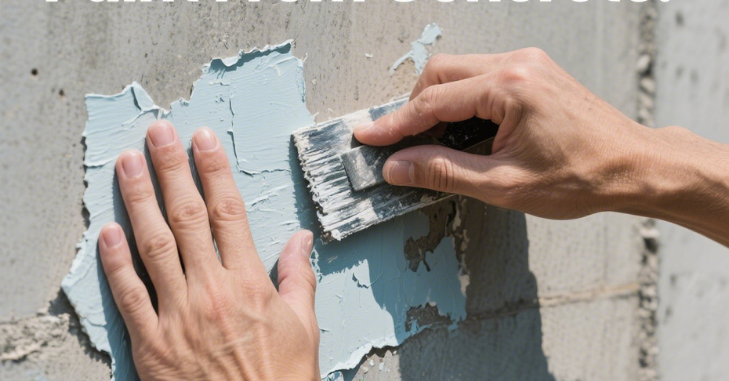
Strippers soften paint so it can be scraped and rinsed away. Choose the product by paint type and follow the label exactly, including dwell times, ventilation and whether it needs neutralizing afterward.
| Stripper type | Works on | Notes |
|---|---|---|
| Citrus or soy-based gel | Latex, some oil paints | Lower odor, slower; often left on for hours |
| Benzyl alcohol-based | Latex, oil, some coatings | Common modern formula; good ventilation needed |
| Caustic (alkaline) | Heavy layers of oil paint | Can burn skin; usually needs neutralizing after use |
| Solvent-based | Oil paint, spray paint | Strong fumes; not for enclosed spaces without airflow |
The EPA has banned methylene chloride paint removers for consumer use, so older advice recommending those products no longer applies.
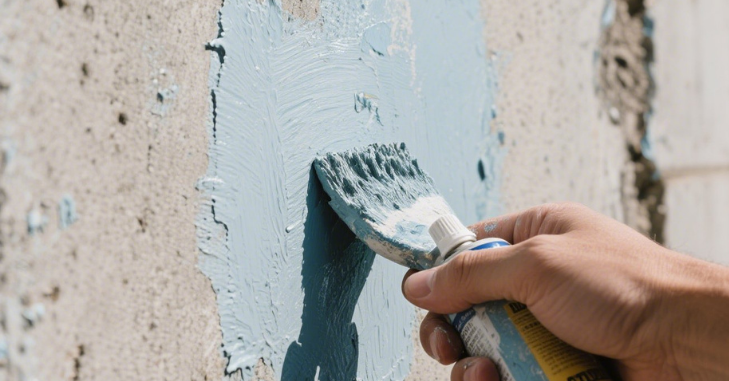
- Sweep and wash the area so the stripper reaches the paint, not dirt.
- Test a small spot to confirm it softens the paint and does not discolor the concrete.
- Apply a thick, even layer with a brush or roller. Gels cling better to vertical surfaces and rough textures.
- Cover with plastic sheeting if the label recommends it, to keep the stripper from drying out.
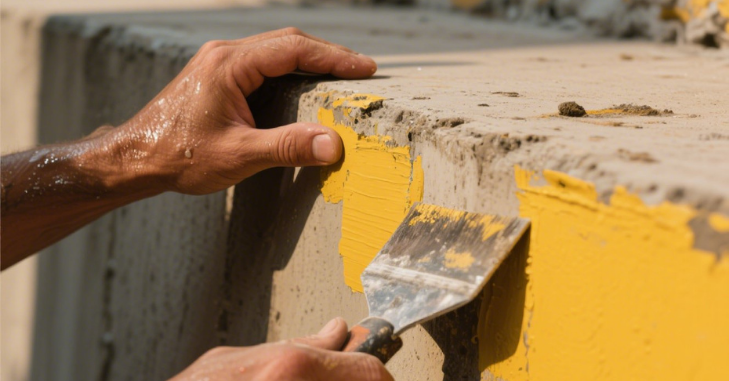
- Wait the full dwell time, then scrape the softened paint into a pile and bag it.
- Scrub the remaining residue with a stiff brush.
- Rinse or neutralize as the label directs, then repeat on stubborn areas.
Tip: work in manageable sections, roughly what you can scrape in 15 to 20 minutes, and apply strippers in shade on mild days. Direct sun and wind dry them out before they can do their job.
Method 3: Pressure Washing

Pressure washing works best after a stripper has loosened the paint, or on its own for thin, weathered paint outdoors. A gas pressure washer around 3,000 PSI or higher is typical for this job, and hot-water units work faster on stubborn paint. Many rental centers stock both, along with surface cleaner attachments.
- Start with a 25 degree nozzle and move to 15 degrees only if needed.
- Hold the wand about 8 to 12 inches from the surface at a low angle and keep it moving.
- Use overlapping passes in one direction.
- A rotary surface cleaner attachment gives even results on driveways and patios and prevents striping.
- Avoid the 0 degree (red) tip, which can etch lines into concrete and cause serious injury.
Wear closed shoes and eye protection, and never point the wand at people, pets or your own feet. Our guide to concrete cleaning covers pressure washing versus soft washing in more detail, including how to avoid leaving clean stripes across the rest of the slab.
Method 4: Grinding, Sanding and Blasting
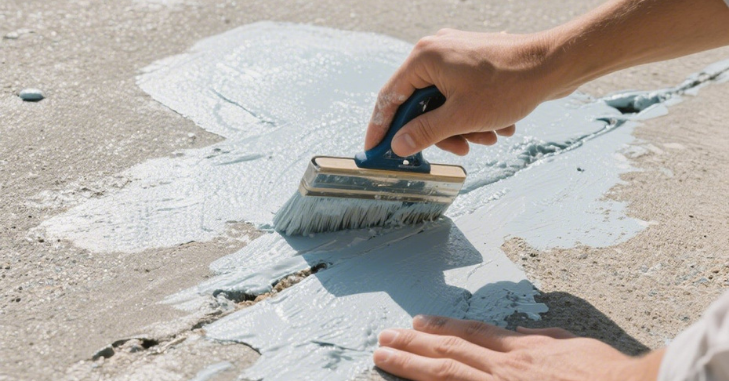
When paint or epoxy will not lift chemically, mechanical removal is the reliable answer. Walk-behind concrete grinders with diamond cup wheels remove coatings quickly and leave a surface profile ready for a new coating. Handheld angle grinders with a diamond cup wheel and dust shroud handle small spots and edges. Shot blasting and soda or sand blasting are usually contractor services.
Grinding concrete creates respirable crystalline silica dust, which is a serious lung hazard. Use a shroud connected to a HEPA-filtered vacuum, work wet where the equipment allows and wear a properly fitted respirator. Hire a professional if you are not comfortable with this equipment or the area is large.
Methods Compared
| Method | Best for | Speed | Main risk |
|---|---|---|---|
| Soap and water | Fresh latex spills | Fast if done immediately | None; useless once paint dries |
| Chemical stripper | Dried latex, oil, spray paint | Slow, hours of dwell time | Skin and fume exposure |
| Pressure washing | Weathered or pre-softened paint | Fast | Etching and injury from narrow tips |
| Grinding or blasting | Epoxy and thick multi-layer coatings | Fast with the right machine | Silica dust, surface damage |
Garage Floors, Driveways and Patios
- Garage floors: ventilate well by opening the door and running fans, and choose low-odor strippers. Degrease oil stains first so the stripper can work. If you plan to recoat with epoxy, grinding gives the best bond.
- Driveways: the broom finish traps paint, so pair a stripper with a surface cleaner. Protect lawn edges and do not let rinse water run into the street drain.
- Patios and pool decks: test first on stamped or colored concrete, since strippers and high pressure can remove color and sealer too.
- Basements: ventilation is limited, so low-odor gels and mechanical methods are safer. If you are preparing the floor for a remodel, our basement finishing guide covers the next steps.
Safety and Disposal
- Read the stripper’s safety data sheet and label before starting.
- Wear chemical-resistant gloves, splash goggles and long sleeves. Use a respirator rated for organic vapors if the label calls for it.
- Keep children and pets away until the area is rinsed and dry.
- Never mix different chemical products.
- Scrape and bag paint residue rather than washing it away. Many cities prohibit washing paint or chemicals into storm drains, which often flow directly to local waterways.
- Take residue and leftover stripper to a household hazardous waste collection site if required locally.
If you have a skin reaction, breathing trouble or chemical splash in the eyes, follow the first-aid directions on the label and contact a medical professional or poison control.
Aftercare: Cleaning and Sealing

Once the paint is gone, wash the whole slab so the cleaned area blends in, and let it dry for at least a day or two. Faint ghost marks often fade with weathering. A penetrating concrete sealer makes future spills easier to clean, and a coating system such as epoxy can be applied to a properly prepared garage floor. Follow the sealer manufacturer’s instructions on moisture and temperature.
Common Mistakes to Avoid
- Using the wrong stripper for the paint type.
- Letting the stripper dry out before scraping.
- Using a 0 degree nozzle or holding the wand too close, which etches the surface.
- Skipping the test patch on colored, stamped or sealed concrete.
- Grinding old paint without checking for lead or controlling dust.
- Flushing residue into storm drains.
Bottom Line on Removing Paint From Concrete
Match the method to the paint: soap and water for fresh latex, a concrete-safe stripper plus scraping and pressure washing for dried paint, and grinding for epoxy or thick coatings. Test first, protect yourself, bag the residue and finish by washing the whole slab so the repaired spot does not stand out.
Frequently Asked Questions
What is the easiest way to remove paint from concrete?
For fresh latex, warm soapy water and a stiff brush. For dried paint, a concrete-safe stripper followed by scraping and pressure washing is usually the easiest effective method.
Will a pressure washer alone remove paint from concrete?
Sometimes, for thin or weathered paint. A 3,000 PSI or stronger unit helps, but a stripper applied first makes the job much faster and more thorough.
Does vinegar remove paint from concrete?
Hot vinegar can soften small spots of latex paint, but it is weak on oil paint and old coatings. Acids can also etch concrete if left on too long, so rinse well.
How do I remove epoxy paint from a garage floor?
Mechanical removal with a diamond grinder or shot blaster is the usual approach. Some strong strippers work on thin epoxy, but results vary, so test a small area first.
Is it safe to use paint stripper on concrete?
Yes, if you choose a concrete-safe product, follow the label, ventilate, wear protective gear and collect the residue for proper disposal.
How do I remove spray paint from concrete?
Use a graffiti remover or solvent-based stripper, let it dwell, scrub and then pressure wash. Older or deeply soaked spray paint may leave a shadow that fades over time.