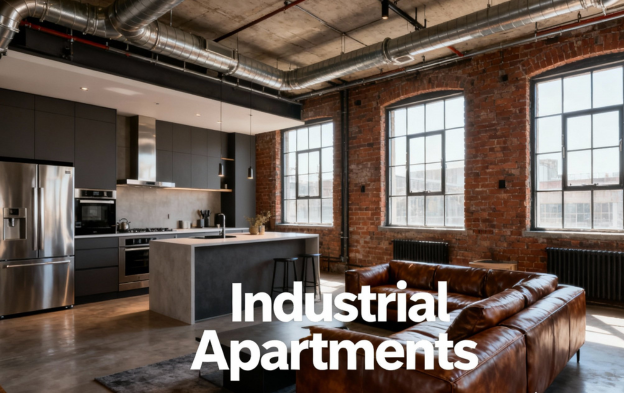
Industrial Apartments offer a distinctive urban living experience by transforming former warehouses and factories into stylish residential spaces. Known for their loft-inspired architecture, open floor plans, and exposed structural elements, these apartments blend historical character with modern conveniences.
With features such as high ceilings, large windows, smart home technology, and energy-efficient systems, Industrial Apartments appeal to residents seeking flexibility, sustainability, and a creative lifestyle in vibrant city settings.
| Category | Key Points |
| Apartment Type | Loft-Style Living |
| Building Origin | Converted Warehouses |
| Design Style | Industrial Aesthetic |
| Ceilings | High Ceilings |
| Structural Features | Exposed Elements |
| Windows | Large Windows |
| Layout | Open Floor Plans |
| Space Usage | Flexible Design |
| Natural Light | Bright Interiors |
| Energy Efficiency | Sustainable Living |
| Appliances | Energy-Efficient |
| Heating & Cooling | Smart Systems |
| Insulation | Enhanced Sealing |
| Renewable Energy | Solar Panels |
| Smart Technology | Home Automation |
| Lighting | Smart Lighting |
| Temperature Control | Smart Thermostats |
| Security | Smart Systems |
| Customization | Personalized Spaces |
| Community Areas | Shared Amenities |
| Location | Urban Centers |
| Lifestyle | Creative Living |
| Work Proximity | Near Business Hubs |
| Transportation | Public Transit Access |
| Investment Value | High Demand |
| Noise Consideration | Sound Sensitivity |
| Utilities | Heating Costs |
| Parking | Limited Availability |
| Maintenance | Higher Upkeep |
What are Industrial Apartments?

Industrial apartments, often referred to as lofts, are typically converted warehouse or factory spaces transformed into residential units. This architectural style emphasizes open spaces, high ceilings, and exposed structural elements, giving each apartment a distinct personality.
Industrial apartments have emerged as a popular choice for urban dwellers seeking unique living spaces that blend modern comforts with historical charm. Characterized by their loft-inspired architecture and open floor plans, these residences offer an appealing alternative to traditional housing.
The Essence of Loft-Inspired Architecture
Characterized by High Ceilings
One of the most notable attributes of industrial apartments is their soaring ceilings, often exceeding 10-12 feet. This feature not only creates an expansive feel but also allows for creative interior design options, such as the installation of tall bookshelves or artwork.
Exposed Elements
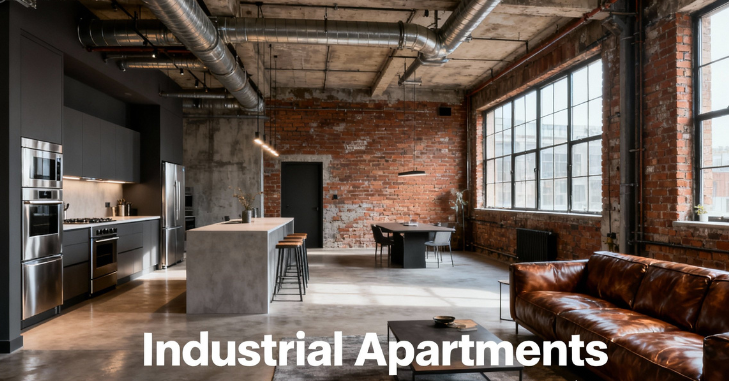
Industrial design celebrates raw, unfinished aesthetics. Features such as exposed brick walls, concrete flooring, and steel beams are common in these apartments. These elements contribute to a rustic yet modern vibe, attracting residents who appreciate authenticity.
Large Windows
Massive warehouses were designed with large windows to allow natural light to pour in, making industrial apartments bright and airy. These windows provide not only a visual connection to the outside world but also create an inviting atmosphere.
Open Floor Plans
Flexible Living Spaces
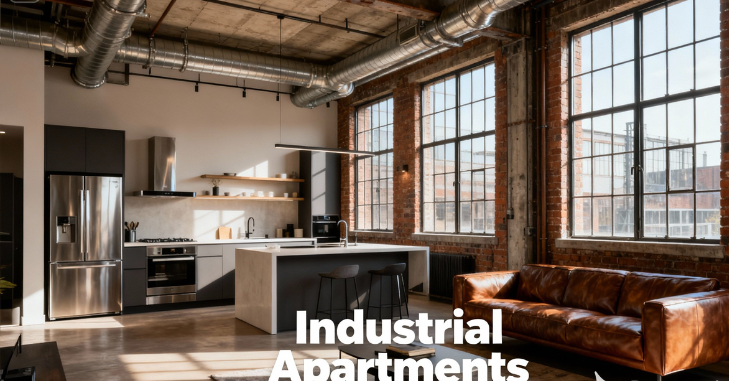
Open floor plans are a hallmark of industrial apartments, promoting fluidity and versatility in living spaces. With fewer walls separating areas, residents have the freedom to customize their layout according to their preferences. This can include combining living, dining, and kitchen areas, making these apartments ideal for entertaining guests.
Maximizing Space
The absence of traditional room divisions allows for creative use of space. Residents can design multi-functional areas, such as incorporating a home office into the living room or using sliding partitions to separate sleeping quarters from the main area.
Energy-Efficient Features
In recent years, many industrial apartments have incorporated energy-efficient technologies, reflecting a growing emphasis on sustainability. With rising energy costs and environmental concerns, these features are increasingly sought after.
Energy-Efficient Appliances
Modern industrial apartments often come equipped with energy-efficient appliances that help reduce electricity consumption. This can include Energy Star-rated refrigerators, dishwashers, ovens, and washing machines, which save both water and energy while maintaining high performance.
Sustainable Heating and Cooling Systems
Many converted industrial spaces now utilize advanced heating and cooling systems, such as geothermal heating or smart thermostats. These systems reduce energy waste and enhance indoor comfort, providing a more sustainable living environment.
Insulation and Sealing
Proper insulation is crucial for energy efficiency. Many industrial apartments have been retrofitted with high-quality insulation materials and sealing techniques that minimize heat loss during colder months and keep interiors cool in the summer.
Solar Panels
Some industrial apartment buildings incorporate solar panels to harness renewable energy. Residents can benefit from lower utility bills while contributing to a greener planet through reduced reliance on non-renewable energy sources.
Smart Home Amenities
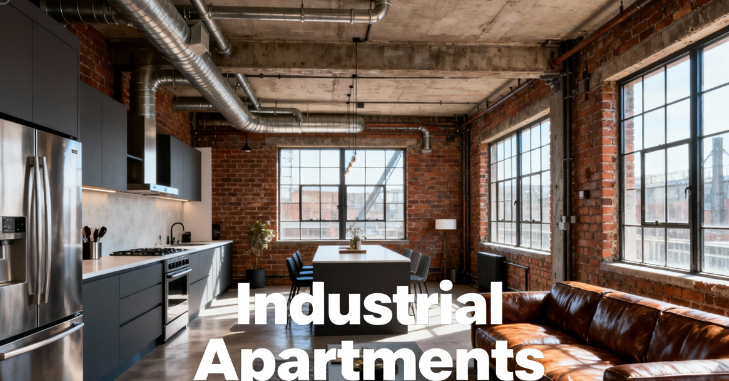
As technology continues to evolve, many industrial apartments are integrating smart home features that enhance convenience, security, and energy management.
Smart Lighting
Smart lighting systems allow residents to control their lighting remotely or automate it according to their routines. With options for mood lighting and energy-efficient bulbs, these systems not only enhance ambiance but also contribute to energy savings.
Smart Thermostats
Smart thermostats enable users to set schedules, control temperatures remotely, and track energy usage. This feature is particularly beneficial for residents looking to minimize energy consumption and optimize comfort.
Security Systems
Smart home technology includes advanced security systems, such as integrated cameras and smart locks. Residents can monitor their apartments remotely via smartphone apps, providing added peace of mind regarding safety.
Home Automation Hubs
Many industrial apartments are equipped with home automation hubs, allowing residents to control all connected devices from a single platform. This integration streamlines everyday tasks, from adjusting the thermostat to managing entertainment systems.
Customization and Personalization
Furnishing Options
The open layouts of industrial apartments provide a blank canvas for personalization. Residents can choose furniture and décor that reflect their style, from minimalist and modern to eclectic and vintage.
Unique Design Elements
Many industrial apartments retain architectural features that enhance their character, such as original wooden beams, polished concrete floors, and exposed ductwork. These elements can be complemented with modern design choices, creating a cohesive aesthetic.
Community Spaces
Industrial apartment buildings often feature shared community spaces, such as rooftop gardens or lounges. These areas foster a sense of community among residents and provide additional opportunities for socialization.
The Benefits of Living in Industrial Apartments
Cultural Vibe
Industrial apartments are typically located in urban areas that are rich in culture and creativity. Residents often find themselves immersed in vibrant neighborhoods filled with art galleries, cafes, music venues, and cultural events.
Proximity to Work and Amenities
Many industrial apartments are situated in close proximity to major business districts, making them attractive options for professionals. Additionally, their locations often provide easy access to public transportation and essential services.
Investment Potential
As the demand for unique living spaces continues to grow, industrial apartments may represent a wise investment. Homebuyers and renters alike are drawn to their distinctive styles and modern amenities, often leading to higher property values.
Emphasis on Community Living
Shared spaces and amenities in industrial apartment buildings encourage social interaction among residents. This sense of belonging can lead to enhanced quality of life and foster connections within the community.
Challenges and Considerations
While industrial apartments offer numerous advantages, potential residents should also consider certain challenges:
Noise Levels
Due to the open floor plans and often minimal insulation, noise can be a concern in industrial apartments. Residents should evaluate noise levels during their visits and consider potential soundproofing solutions.
Heating and Cooling Costs
Though many industrial apartments feature energy-efficient systems, the larger open spaces can lead to higher heating and cooling costs. Residents need to maintain their systems properly to ensure optimal efficiency.
Parking Availability
Depending on the location, parking may be limited in industrial apartment complexes. Prospective renters or buyers should assess available parking options and consider their transportation needs.
Potential for Higher Maintenance Costs
Older industrial buildings may require more upkeep and maintenance than newer constructions. Residents should factor in potential costs for repairs and renovations.
Conclusion
Industrial apartments epitomize a unique blend of history, modernity, and sustainability. With their distinctive loft-inspired architecture, energy-efficient features, smart home technologies, and open layouts, these residences cater to a growing demographic of urban dwellers seeking stylish and functional living spaces.
As cities continue to evolve and adapt, the trend of industrial living is poised to grow, making these types of apartments not only desirable but also a lifestyle choice that reflects contemporary values and preferences. Whether you are seeking flexibility, sustainability, or simply a distinctive living environment, industrial apartments offer something for everyone, making them an intriguing option in today’s real estate landscape.
Want to know about Airbnb Property Management: A Complete Guide for Hosts to Save Time, Increase Bookings, Maximize Profits, And Achieve Long-Term Success in Rentals Check out our Real Estate category.
FAQs
Common smart home features include smart lighting, smart thermostats, security systems with cameras, and home automation hubs for controlling connected devices.
Yes, noise levels can be higher due to open floor plans and minimal insulation. Prospective residents should assess this during their visit.
Advantages include unique, character-rich living spaces, proximity to urban amenities, community living, and potential investment value due to increasing demand.