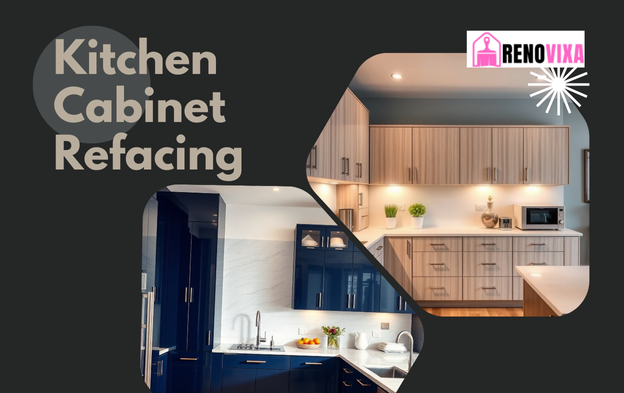
A kitchen makeover does not have to involve a complete renovation, structural changes, or a high financial commitment. Many homeowners struggle with outdated cabinets that are structurally sound but no longer align with modern design preferences. Kitchen cabinet refacing provides an efficient solution by upgrading the visible elements of your cabinets while retaining the existing framework.
This approach allows homeowners to refresh their kitchen’s appearance, improve functionality, and enhance overall home value without the cost and disruption of a complete remodel. With a wide range of materials, finishes, and design styles available, kitchen cabinet refacing offers flexibility across budgets and aesthetics.
It also supports sustainable remodeling practices by reducing waste and minimizing material consumption. For those seeking a stylish kitchen transformation that balances affordability, durability, and visual appeal, cabinet refacing delivers impressive results on a realistic budget.
Key Facts and Tips About Kitchen Cabinet Refacing
| Feature / Topic | Details / Insights |
|---|---|
| Definition | Updating cabinet doors, drawer fronts, and veneers without replacing boxes |
| Cost | Generally lower than a full cabinet replacement |
| Materials | Wood veneer, laminate, thermofoil, rigid thermofoil (RTF) |
| Door Styles | Shaker, flat-panel, raised-panel, modern slab |
| Finish Options | Painted, stained, textured, or high-gloss |
| Hardware | New handles, knobs, and soft-close hinges |
| Timeline | Typically 3–5 days per project |
| Labor | Professional installation recommended for best results |
| DIY Option | Possible, but quality may vary |
| Durability | Can last 10–20 years with proper care |
| Environmental Impact | Eco-friendly; reduces waste compared to replacement |
| Maintenance | Clean with mild soap and a soft cloth; avoid abrasive chemicals |
| Water Resistance | Modern veneers resist moisture and heat |
| Kitchen Layout | Refacing does not change the cabinet layout |
| Customization | Color, texture, and hardware choices for a personalized look |
| Return on Investment | Adds value by enhancing aesthetics and functionality |
| Common Mistakes | Refacing damaged cabinets, using low-quality materials |
| Benefits | Affordable, fast, stylish, eco-friendly |
| Popular Upgrades | Soft-close drawers, pull-out shelves, and under-cabinet lighting |
| Project Prep | Assess cabinet condition, choose materials, select style |
| Professional Tips | Hire experienced installers for a smooth, long-lasting finish |
| Savings Compared to Replacement | Can save 30–70% of replacement cost |
| Kitchen Styles | Works for modern, traditional, or transitional kitchens |
| Longevity Tips | Avoid moisture damage, clean spills promptly, and maintain hardware |
| Ideal Candidate | Homeowners with solid, structurally sound cabinets |
What Is Kitchen Cabinet Refacing and How Does It Work?
Kitchen cabinet refacing is an innovative renovation method that updates the exterior appearance of your cabinets without removing the existing cabinet boxes. Instead of tearing everything out, professionals keep the cabinet framework intact and replace visible components such as cabinet doors, drawer fronts, veneers, handles, and hinges.
The process usually involves covering the cabinet boxes with a new veneer that matches the chosen door style. This technique delivers a fresh, modern look while preserving the structural integrity of your kitchen. It is ideal for homeowners whose cabinets are still sturdy but visually outdated.
Why Is Kitchen Cabinet Refacing a Budget-Friendly Solution?

One of the biggest reasons homeowners choose kitchen cabinet refacing is cost efficiency. Complete cabinet replacement can be expensive due to demolition, labor, and material costs. Refacing typically costs significantly less while delivering comparable visual results.
By reusing existing cabinet boxes, you reduce material waste and labor hours. This makes refacing a practical option for homeowners who want a kitchen refresh without exceeding their renovation budget. It also minimizes unexpected expenses often associated with complete remodeling projects.
Kitchen Cabinet Refacing vs Cabinet Replacement: Key Differences
Understanding the difference between refacing and replacement helps homeowners make informed decisions. Cabinet replacement involves removing all cabinets and installing new ones, which can alter the kitchen layout. Refacing, on the other hand, focuses solely on cosmetic upgrades.
Refacing is best when cabinet boxes are solid and functional. Replacement may be necessary if cabinets have water damage, structural issues, or poor layout design. For most kitchens with well-built cabinets, refacing offers the best balance between cost, appearance, and efficiency.
Materials Commonly Used in Kitchen Cabinet Refacing
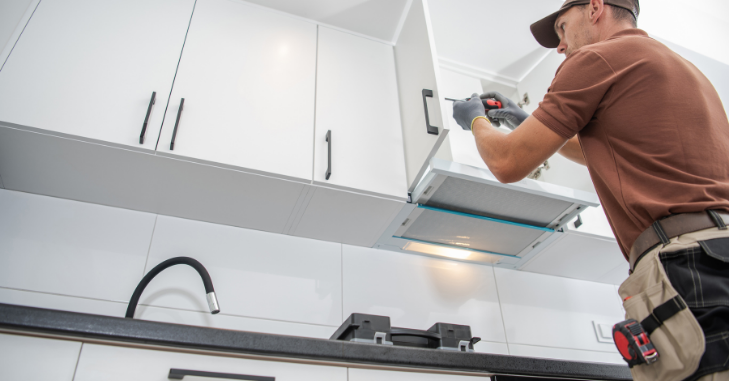
Kitchen cabinet refacing offers a wide variety of material options to suit different styles and budgets. Popular choices include wood veneer, laminate, thermofoil, and rigid thermofoil (RTF). Each material offers unique benefits in durability, maintenance, and appearance.
Solid wood doors offer a timeless, premium look, while laminate and thermofoil options are more affordable and easier to clean. Homeowners can also choose from painted, stained, or textured finishes to match their kitchen design goals.
Design Styles That Work Best With Cabinet Refacing
Cabinet refacing supports a wide range of kitchen styles. Modern kitchens often feature flat-panel doors, high-gloss finishes, and minimal hardware. Traditional kitchens benefit from raised-panel doors, warm wood tones, and decorative handles.
Shaker-style cabinets remain one of the most popular choices due to their versatility and timeless appeal. Refacing also allows customization through color selection, hardware upgrades, and soft-close features, making it easy to personalize the kitchen without structural changes.
The Step-by-Step Kitchen Cabinet Refacing Process

The refacing process begins with a detailed assessment of existing cabinets. Once confirmed suitable, old doors and drawer fronts are removed. The cabinet boxes are then cleaned and prepared for veneer application.
After applying the veneer, new doors, drawer fronts, and hardware are installed. The final step includes adjustments and quality checks to ensure smooth operation. Most refacing projects are completed within a few days, reducing disruption to daily life.
How Long Does Kitchen Cabinet Refacing Take Compared to Remodeling?

One significant advantage of kitchen cabinet refacing is the short project timeline. While a complete kitchen remodel can take weeks or even months, refacing can be completed in 3 to 5 days.
This faster turnaround allows homeowners to continue using their kitchen with minimal inconvenience. There is also less dust, noise, and mess compared to traditional remodeling, making refacing ideal for occupied homes.
Durability and Lifespan of Refaced Kitchen Cabinets
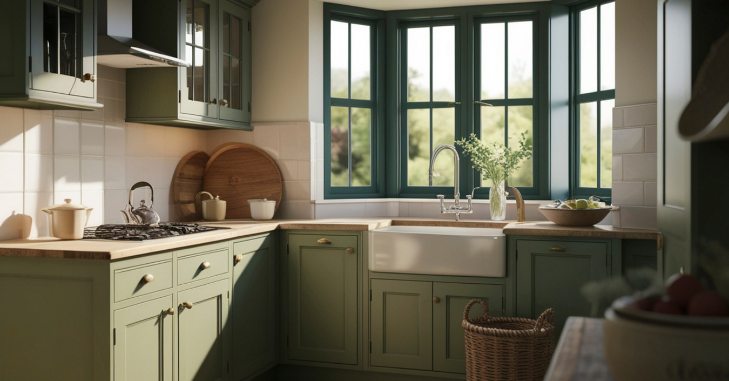
When professionally refaced with quality materials, cabinets can last 10 to 20 years or more. Durability largely depends on the materials used, the installation quality, and proper maintenance.
Modern veneers and finishes are designed to resist moisture, heat, and everyday wear. Upgrading hinges and drawer slides during refacing also improves functionality and extends the cabinets’ lifespan.
Maintenance Tips for Refaced Kitchen Cabinets
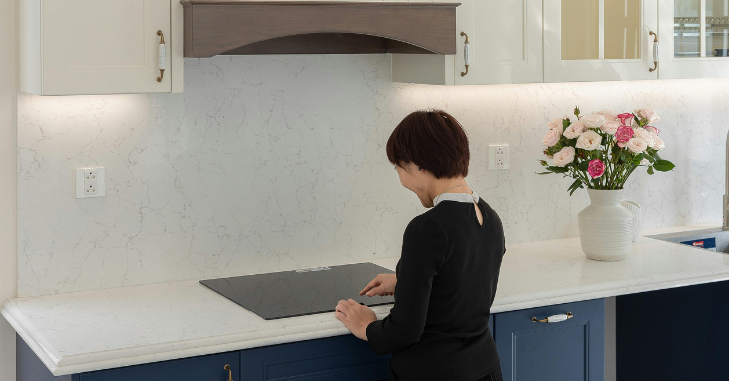
Maintaining refaced cabinets is simple and is similar to caring for new cabinets. Regular cleaning with mild soap and a soft cloth helps preserve the finish. Avoid abrasive cleaners or harsh chemicals, as they can damage surfaces.
Promptly wiping up spills, especially around sinks and cooking areas, helps prevent moisture-related issues. Proper care ensures refaced cabinets maintain their appearance and functionality for many years.
Environmental Benefits of Kitchen Cabinet Refacing

Kitchen cabinet refacing is an environmentally responsible renovation choice. By reusing existing cabinet boxes, you reduce landfill waste and minimize the need for new raw materials.
This sustainable approach lowers the environmental impact of kitchen upgrades. Many refacing materials are also manufactured using eco-friendly processes, making them a greener alternative to full cabinet replacement.
Factors That Influence the Cost of Kitchen Cabinet Refacing
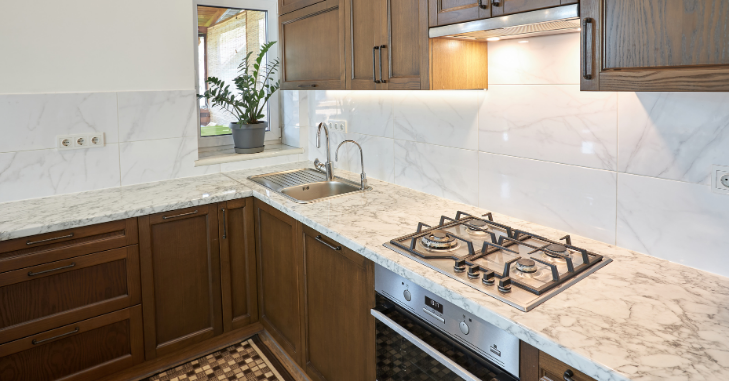
Several factors affect the total cost of kitchen cabinet refacing. These include the number of cabinets, material selection, door style, hardware upgrades, and labor rates in your area.
Custom designs, premium materials, and additional features such as soft-close hinges may increase costs. However, even with upgrades, refacing remains more affordable than replacing cabinets entirely.
Common Mistakes to Avoid When Choosing Cabinet Refacing
One common mistake is refacing cabinets that are structurally damaged. If cabinet boxes are warped or water-damaged, refacing may not provide long-term results. A professional inspection is essential before starting.
Another mistake is choosing low-quality materials to save money. Inferior veneers and hardware may wear out quickly, reducing the investment value. Prioritizing quality ensures lasting results and better satisfaction.
How Kitchen Cabinet Refacing Adds Value to Your Home?

An updated kitchen significantly impacts home value, and cabinet refacing offers a strong return on investment. Buyers are often drawn to modern, clean-looking kitchens, even if the cabinets are refaced rather than replaced.
Refacing improves aesthetics, functionality, and overall kitchen appeal without excessive renovation costs. This makes it an attractive upgrade for homeowners planning to sell or enhance their living space.
Conclusion
Kitchen cabinet refacing is a wise investment for homeowners who want to enhance their kitchen’s appearance without the financial and logistical challenges of a full cabinet replacement. It delivers a refreshed, contemporary look, improves functionality, and supports sustainable renovation practices by reducing material waste.
When done with quality materials and professional expertise, cabinet refacing can extend the life of your kitchen cabinets for years while adding measurable value to your home. For those seeking a cost-effective yet impactful kitchen upgrade, cabinet refacing remains a reliable and efficient solution.
Want to know about Best Kitchen Appliance Brand: An Overview of Durability, Reliability, Design, Price, And More Information Check out our Kitchen category.
Frequently Asked Questions (FAQs)
Kitchen cabinet refacing is a renovation method that renovates the exterior appearance of existing cabinets by replacing doors, drawer fronts, veneers, and hardware while keeping the original cabinet boxes intact. It delivers a refreshing look without major construction.
The cost of kitchen cabinet refacing depends on cabinet size, material selection, door style, and hardware upgrades. However, it is generally far more affordable than a complete cabinet replacement while offering similar visual results.
Typically, a kitchen cabinet refacing project can be completed in 3 to 5 days. The shorter timeline makes it an ideal option for homeowners who want minimal disruption to daily routines.
No, cabinet refacing does not change the kitchen layout. It focuses on improving appearance and functionality while keeping the existing cabinet structure in place.