Introduction
Egress window installation is a smart and often legally required upgrade that enhances both safety and home value—especially in basements. This guide explains the whole process of egress window installation, from obtaining permits to digging the well, cutting concrete walls, and finishing interiors. With costs ranging from $2,500 to $5,000 for professional work, and a minimum 36-inch clearance needed by code, homeowners must plan carefully. We’ll cover legal rules, tools, safety, benefits, and budget insights to help you install the right egress window the first time.
| Basics | Summary |
| Permits | Get approval from local authorities. |
| Location | Choose a basement or code-compliant space. |
| Measurements | Measure accurately to avoid issues. |
| Dig Well | Dig deep, add gravel for drainage. |
| Cut Wall | Saw the wall carefully; wear safety gear. |
| Prep Edges | Clean and smooth for a tight fit. |
| Install Frame | Use treated wood or metal; waterproof well. |
| Insert Window | Shim, level, seal, and secure. |
| Check Operation | Ensure it opens easily by hand. |
| Add Well | Install with gravel, and use a ladder if needed. |
| Interior Finish | Trim, insulate, and paint. |
| Safety | Provides emergency exit and ventilation. |
| Code Compliance | Must meet size and clearance rules. |
| Cost | $2.5K–$5K professionally; less for DIY. |
| Value Boost | Adds resale value and lowers risk. |
| Legal Risk | Non-compliance may mean fines or rework. |
Egress Window Installation: Follow-Up Process
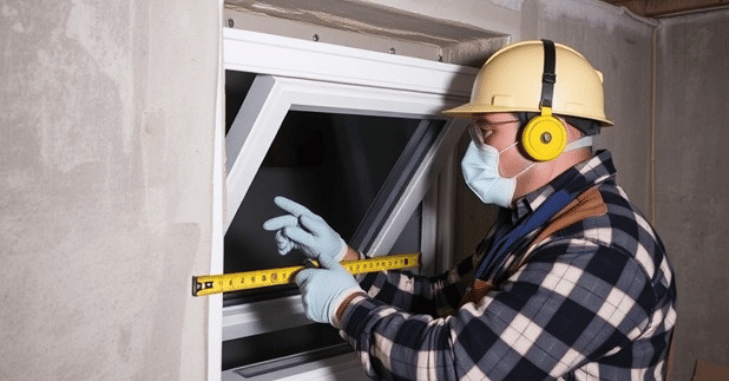
Get Permits and Plan Your Project
Before starting egress window installation, check with your local building authority to get the necessary permits.
You’ll also need to understand the size and clearance requirements for the window and window well.
Choosing the correct location—usually in a basement bedroom or living space—is critical for both code compliance and safety.
Good planning and accurate measurements will help avoid delays and ensure everything is done correctly the first time.
Dig the Window Well
Digging the window well is an essential part of window installation, especially when working below ground level. The well must be broad and deep enough to meet building codes, which often require at least 36 inches of clearance. Add a base layer of gravel to allow for proper water drainage and prevent flooding. Consider adding a window well cover later to keep out debris and improve safety.
Cut the Foundation Wall
Once your well is dug, use a concrete saw to cut through the basement wall. This step in window installation must be done with precision to match the window’s size and ensure a tight fit. Always wear safety gear, and consider hiring a contractor for this part if you’re inexperienced. Smooth and clean the edges of the opening so the frame can be installed without gaps or instability.
Install the Window Frame
After cutting, insert a strong and level frame into the wall opening. This frame will support the window and keep moisture out. For durable egress window installation, treated wood or metal frames are recommended, along with waterproof membranes or flashing to seal around the perimeter. The frame must be secure and well-insulated to avoid drafts, leaks, or structural movement once the window is installed and sealed in place.
Fit and Secure the Window
Now place the window into the frame, using shims to level it and keep it stable. During window installation, it’s crucial to ensure that the window opens easily from the inside without tools. Seal the edges using caulk or foam insulation, making the window airtight and weatherproof. After securing it with screws, double-check that it meets the legal egress opening size to pass inspections and provide a safe exit.
Install the Window Well and Finish the Interior
To complete your window installation, install a window well outside the new opening and fill the bottom with gravel to improve drainage. Add a built-in ladder if the depth requires it. Inside, finish around the window with trim, drywall, and insulation. Paint or decorate the area to match your basement’s interior. The finished product should be clean, well-sealed, and fully functional in case of an emergency.
How Egress Windows Improve Home Safety?
A significant reason for egress window installation is safety. These windows provide a life-saving escape route during fires, floods, or other emergencies. In addition to peace of mind, egress windows bring natural light and ventilation into lower-level living spaces, making them more inviting and usable. In many areas, they’re required by law for any sleeping space in a basement, turning dark, unused rooms into safe, livable environments.
Cost of Installation
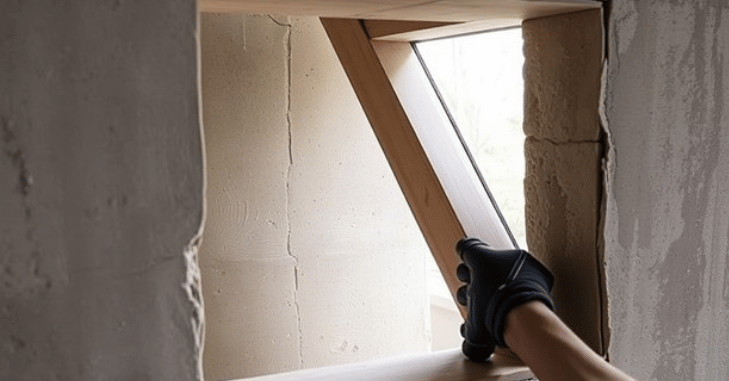
The cost of egress window installation depends on several factors, including location, materials, and labor. On average, professional installation ranges from $2,500 to $5,000. Cutting into a concrete foundation, installing drainage, and meeting code standards all contribute to the cost. DIY installation can save money, but may increase risk if not done correctly. Keep in mind that a properly installed egress window can increase home value and reduce insurance costs over time.
Legal Requirements
Before beginning egress window installation, review your local building codes.
These codes set minimum height, width, and opening requirements for the window, and often include details on well size and exit clearance.
Most codes also require a permanent step or ladder inside deeper wells.
Installing a window without meeting these standards can result in fines, failed inspections, or even having to redo the entire installation at your own expense.
Conclusion
Egress window installation is a valuable home upgrade that improves safety, adds natural light, and increases property value. By following proper steps—like obtaining permits, cutting accurately, and meeting code requirements—you ensure the installation is both legal and practical. Whether done professionally or as a DIY project, it’s essential to plan carefully and use the right materials. A well-installed egress window provides lasting benefits for both safety and comfort.
Want to know about “Can You Paint Vinyl Siding? Expert Insights on Painting, Benefits, and Best Practices for a Durable Home Upgrade” Check out our “Exterior” category.
FAQs
Most codes require a window opening of at least 5.7 square feet, with a minimum height of 24 inches and a width of 20 inches, allowing easy exit in emergencies.
DIY installation is possible, but it requires tools, precision, and knowledge of codes. Hiring a professional is recommended for cutting concrete and ensuring legal compliance.
Professional egress installation usually ranges between $2,500 and $5,000, depending on wall material, window type, well depth, drainage needs, and whether structural changes are necessary.