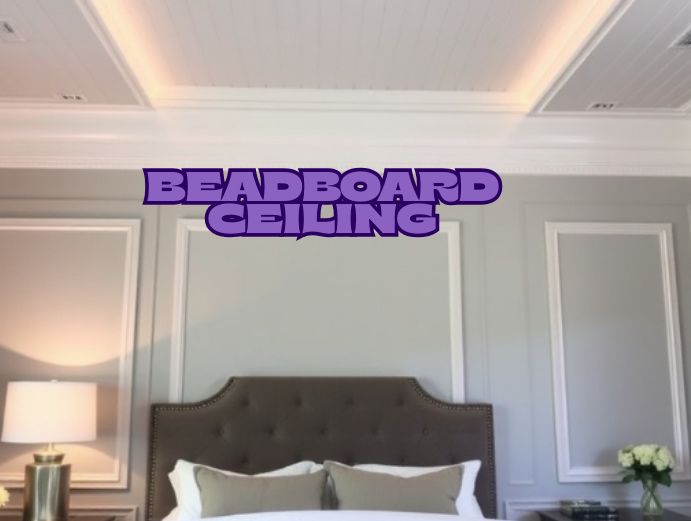
Beadboard Ceiling
A beadboard ceiling, with its vertical lines and tongue-and-groove pattern, adds charm and texture to a room. It exudes subtle sophistication and a cozy elegance, making it ideal for creating character and depth. Once popular in cottages and coastal homes, beadboard ceilings have experienced a significant resurgence in modern interior design, appealing to those who appreciate handcrafted detail.
A beadboard ceiling, versatile enough to suit rustic, farmhouse, traditional, and modern interiors, serves not just as decoration but as a bold design feature. Whether you’re remodeling a kitchen, refreshing a hallway, or upgrading a bathroom, this timeless choice instantly elevates otherwise plain and featureless ceilings.
| Category | Details |
|---|---|
| Material | Beadboard ceiling |
| Style | Cottage |
| Texture | Vertical |
| Finish | Painted |
| Installation | Nailed |
| Maintenance | Easy |
| Durability | Strong |
| Ceiling Type | Vaulted |
| Cost | Affordable |
| Customization | Flexible |
| Paint Options | Numerous |
| Visual Appeal | Elegant |
| Room Compatibility | Versatile |
| Origin | Vintage |
| Soundproofing | Minimal |
| Popularity | Growing |
Beadboard Ceiling: Elegant Transformation with Subtle Lines
The term beadboard ceiling refers to the use of narrow wooden planks installed side by side, where each plank has a distinctive ridge or “bead” between panels. These beads create a consistent texture and help break up flat ceiling planes, giving the illusion of higher, more inviting spaces. Originally created from real wood boards, today’s versions often use MDF or PVC for better durability and cost-efficiency.
Homeowners appreciate beadboard ceilings for their versatility. Suitable for sunrooms, covered porches, or bedrooms, beadboard provides a charming vintage feel while fitting with contemporary finishes. A bright white, for instance, enhances any space by adding light and depth without cluttering the decor. It also complements features like beams, crown moldings, and chandeliers.
History & Evolution
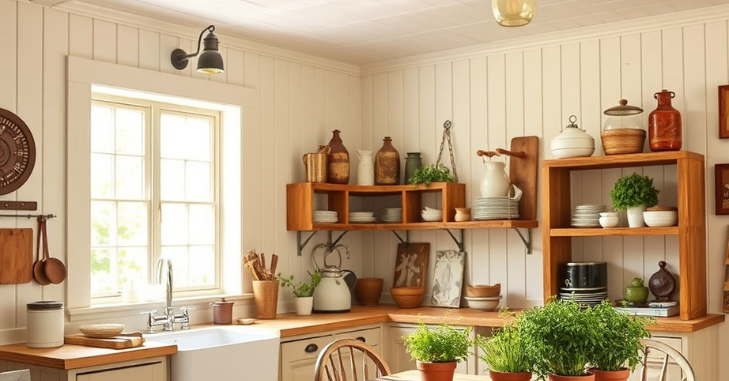
Beadboard ceilings originated in the early 19th century, commonly found in American and European cottages. Originally intended for wall paneling, they later became popular for use in ceilings, particularly in kitchens and porches. Their durability and capability to conceal imperfections made them a favored choice for builders and homeowners.
As design trends have evolved, the applications of beadboard ceilings have undergone significant changes. Today, advancements in materials have made them more accessible, with options like lightweight PVC panels perfect for moist spaces such as bathrooms, and paintable MDF for a cost-effective, personalized appearance. Despite these developments, the core appeal remains the same—traditional linear elegance combined with enduring charm.
Installation Techniques
- Nail & Adhesive Combo: Attach beadboard panels firmly to ceiling joists or furring strips using finishing nails along with a strong adhesive.
- Tongue-and-Groove Fit: Interlocking panels ensure accurate alignment and minimize gaps or visible seams.
- Pre-painted Options: Pre-finished panels allow for quicker installation by reducing painting time, particularly in high or vaulted ceilings.
Benefits of Choosing
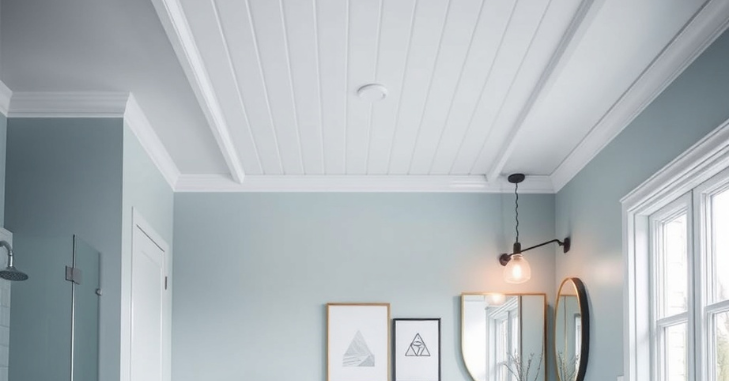
- Affordable Makeover: Beadboard offers a touch of elegance at a much lower cost compared to coffered or tray ceilings.
- Conceal ceiling flaws effortlessly, including cracked plaster, water stains, or uneven textures.
- Creates an illusion of greater height: Vertical lines deceive the eye into seeing more height, ideal for small or low-ceiling rooms.
- Customization Ready: Can be easily painted or stained to complement different decor styles.
Color Combinations That Shine
It doesn’t need to stay white. While white is a classic choice, painting it in gentle blues, sage greens, or deep grays can influence the mood of a room. For a coastal feel, shades like seafoam green or light aqua boost brightness. Conversely, warm honey hues add a rustic charm, perfect for farmhouse kitchens or entryways.
Perfect Rooms for Beadboard Use
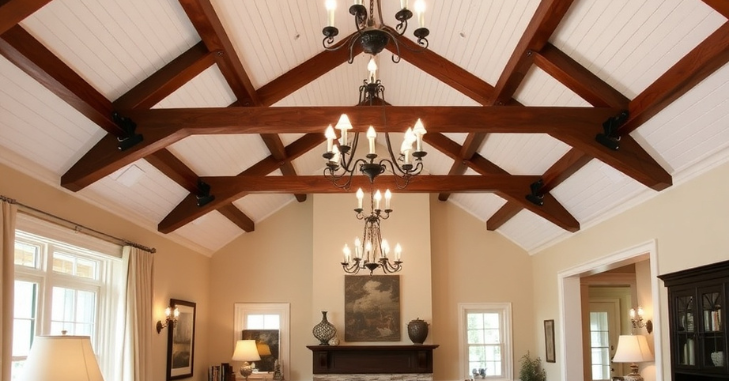
Some of the top rooms ideal for displaying include
- Kitchens add character and enhance vintage fixtures.
- Bathrooms made of PVC resist moisture effectively.
- Entryways: Make a welcoming impression as you step inside.
- Porches: Beadboard here captures the charm of the South and the nostalgia of outdoor living.
Maintenance & Upkeep
Maintaining a beadboard ceiling is straightforward. Regularly dust it with a soft cloth, and for deeper cleaning, use a mild detergent. Painted beadboard might require touch-ups every few years, particularly in humid areas like bathrooms or kitchens.
Cost Comparison vs Other Ceilings
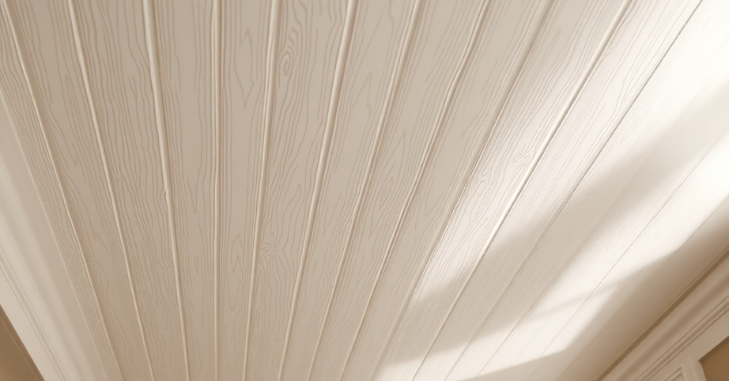
Beadboard is significantly more cost-effective than tray or beam ceilings. While full wood planks tend to be pricier, opting for MDF and PVC panels reduces expenses. DIY enthusiasts frequently prefer beadboard because it’s simple to install and inexpensive.
Creative Design Combinations
- Beams and beadboard together create a rustic farmhouse atmosphere, with wood beams complemented by beadboard paneling.
- Recessed lighting: Integrating spotlights into beadboard offers a sleek, modern look while maintaining charm.
- Paint alternating panels to create a subtle striped effect.
Dead Sum Headings
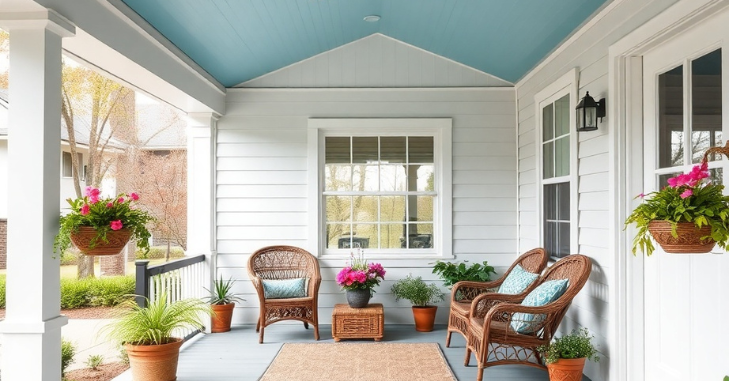
Do more than serve as decoration; they add texture, direct attention upward, and define the space. Their vertical pattern creates a sense of openness, and different color options boost their stylistic versatility. Whether aiming for a rustic or sophisticated look, this ceiling finish fits effortlessly.
The keyword transforms from just a term into a guiding design principle influencing both shape and utility. Its versatility is evident in its seamless integration into old cottages, modern apartments, or coastal residences. Installers appreciate its simplicity, whereas homeowners value its visual appeal. The result? An ideal balance of classic charm and modern style.
Conclusion
A beadboard ceiling is more than an architectural feature — it represents considerate design. Whether renovating a single room or undertaking a complete home renovation, this ceiling style adds both charm and functionality. It can quickly enhance a space with little effort, providing a handcrafted and personalized appearance.
For anyone wanting to balance aesthetics and affordability, they are ideal. Available in numerous materials and colors, they suit any room and style. Installing one isn’t just a design decision—it’s a lasting enhancement of your home’s character and comfort.
If you want to read an interesting article about it, explore our “Decoration” category.
FAQs
Depending on the space and price, the most popular materials are MDF, PVC, and natural wood.
Yes, when combined with the appropriate finishes, beadboard looks good in both traditional and modern interiors.
Repainting may be required over time, but regular dusting and the occasional wipe down with a moist cloth are typically adequate.
Indeed, with the right panel changes, it may be mounted on vaulted, sloping, or flat ceilings.